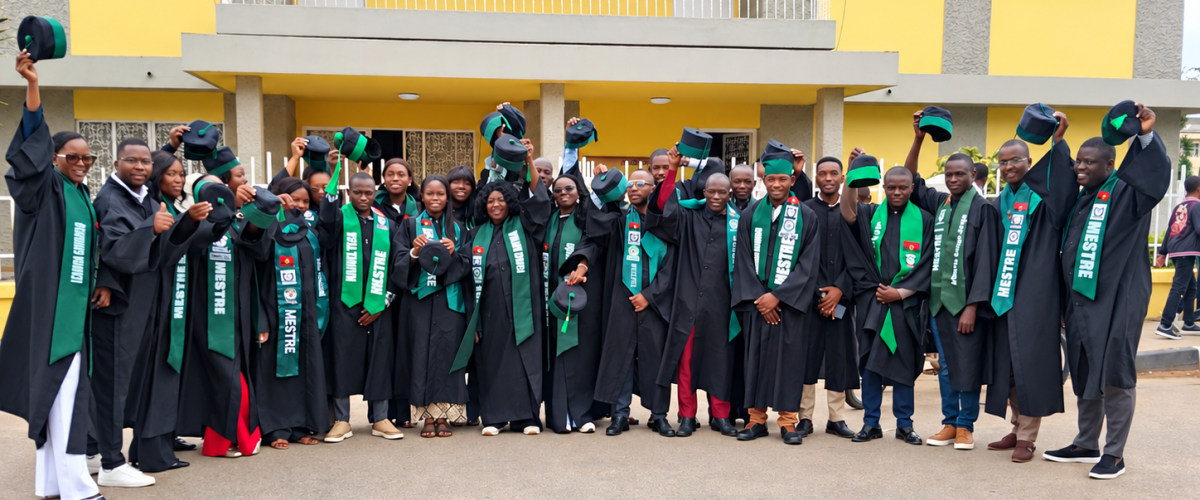
Angola has marked an important milestone in strengthening its agricultural research capacity following the successful completion of postgraduate studies by 33 professionals whose training was initiated under the World Bank funded Agricultural Productivity Programme for Southern Africa (APPSA), regionally coordinated by the Centre for Coordination of Agricultural Research and Development for Southern Africa (CCARDESA). The achievement highlights the importance of sustained government commitment in ensuring that investments in human capital continue delivering results beyond the lifespan of development projects.
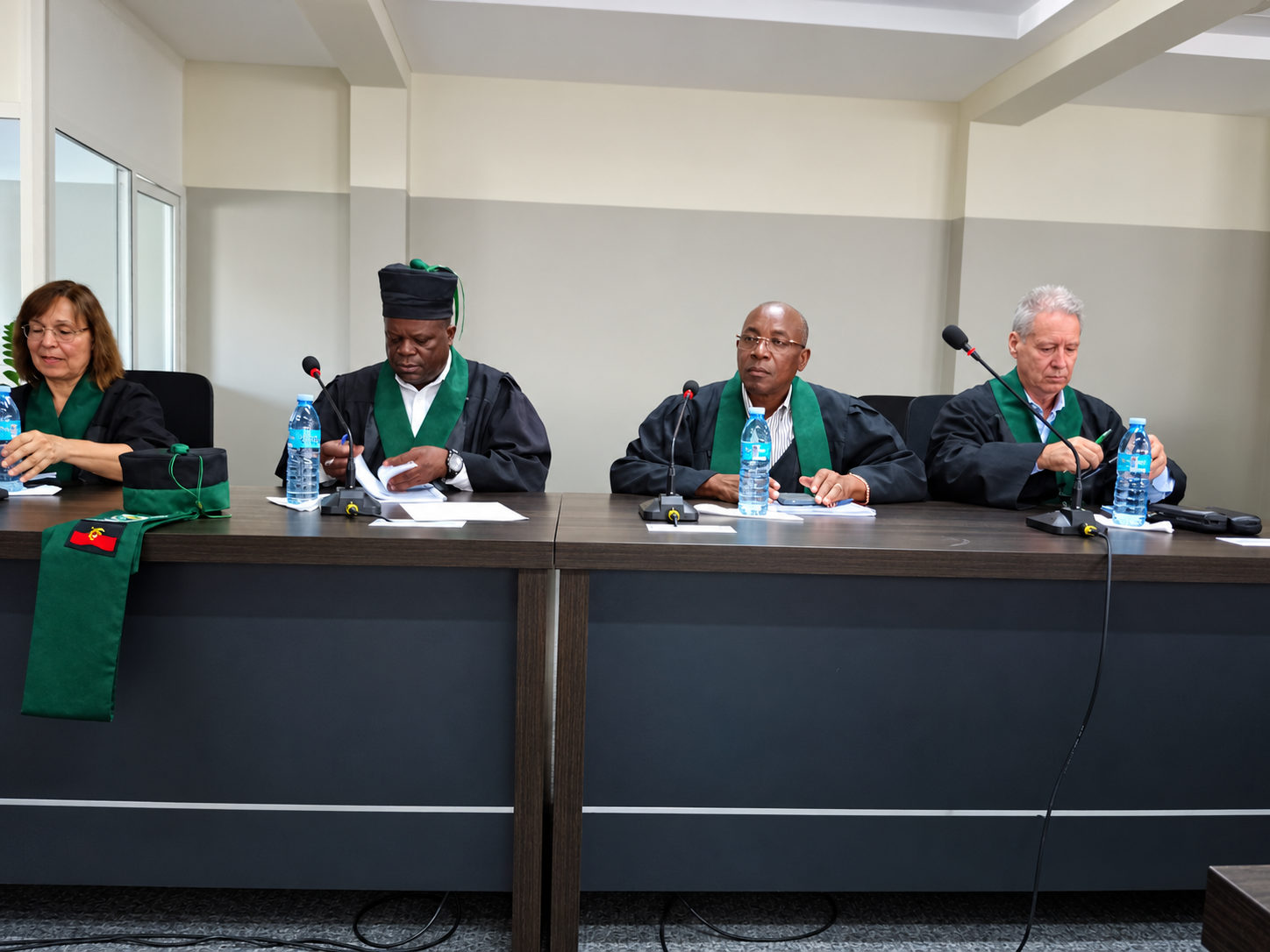
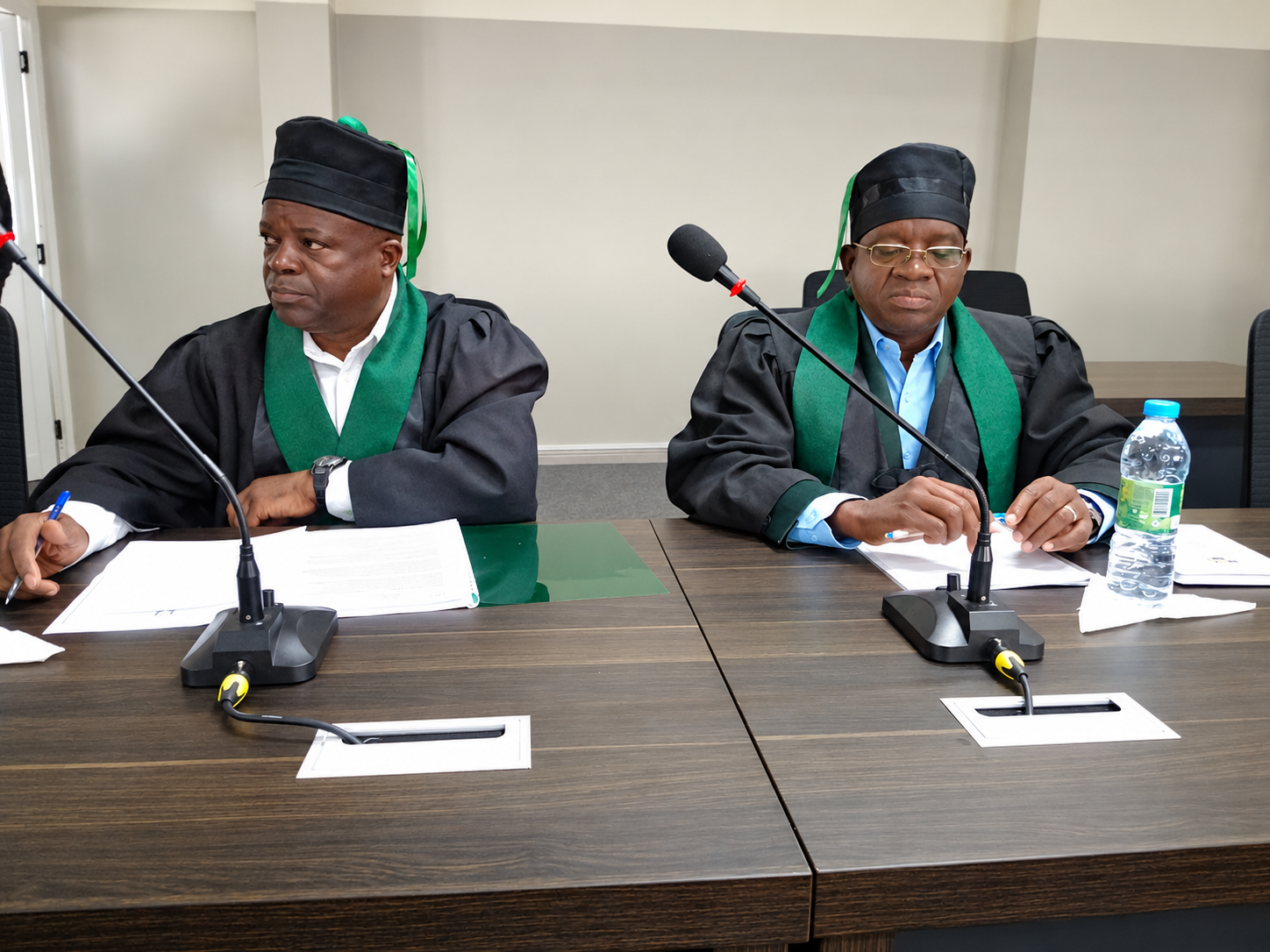
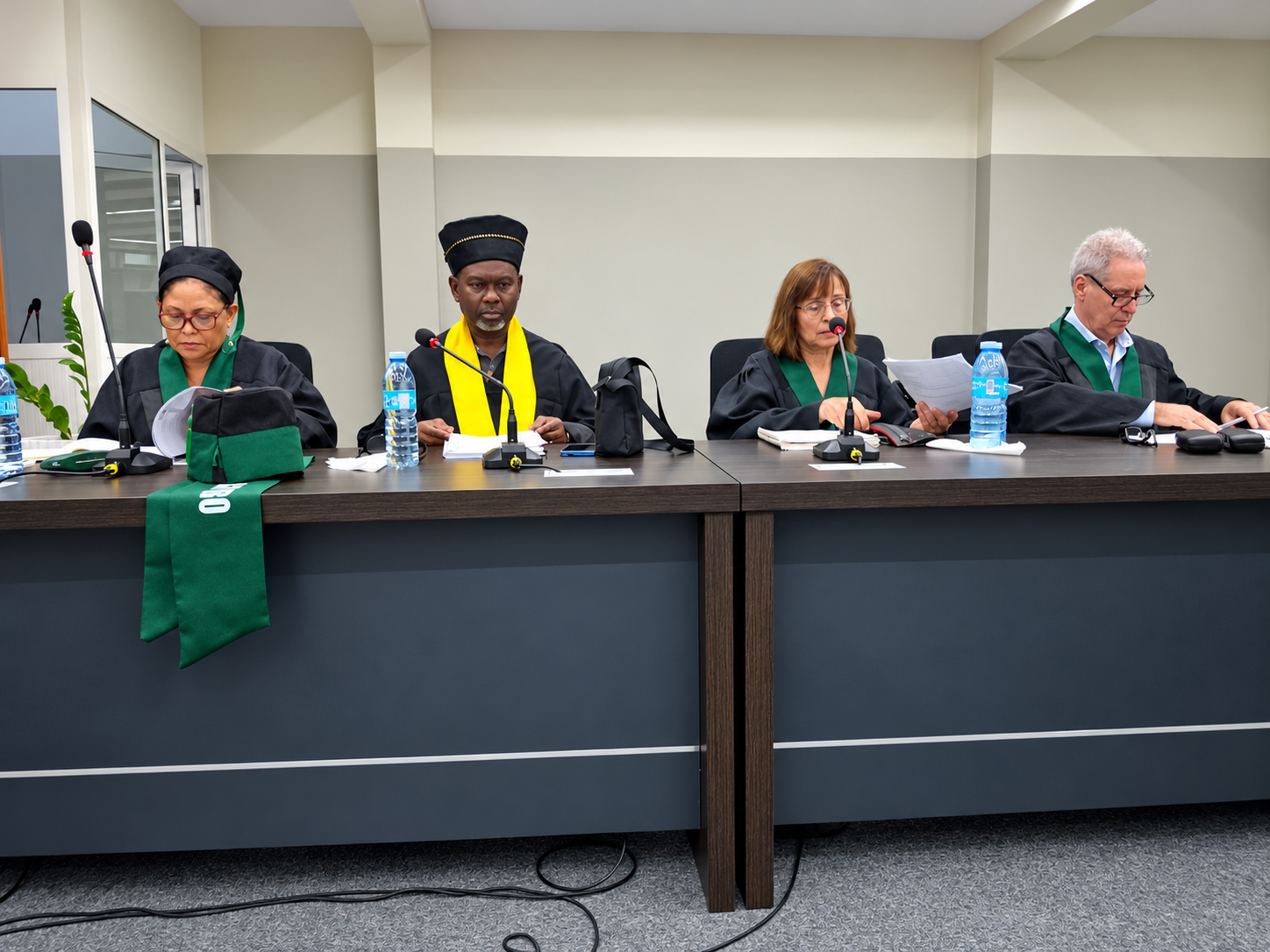
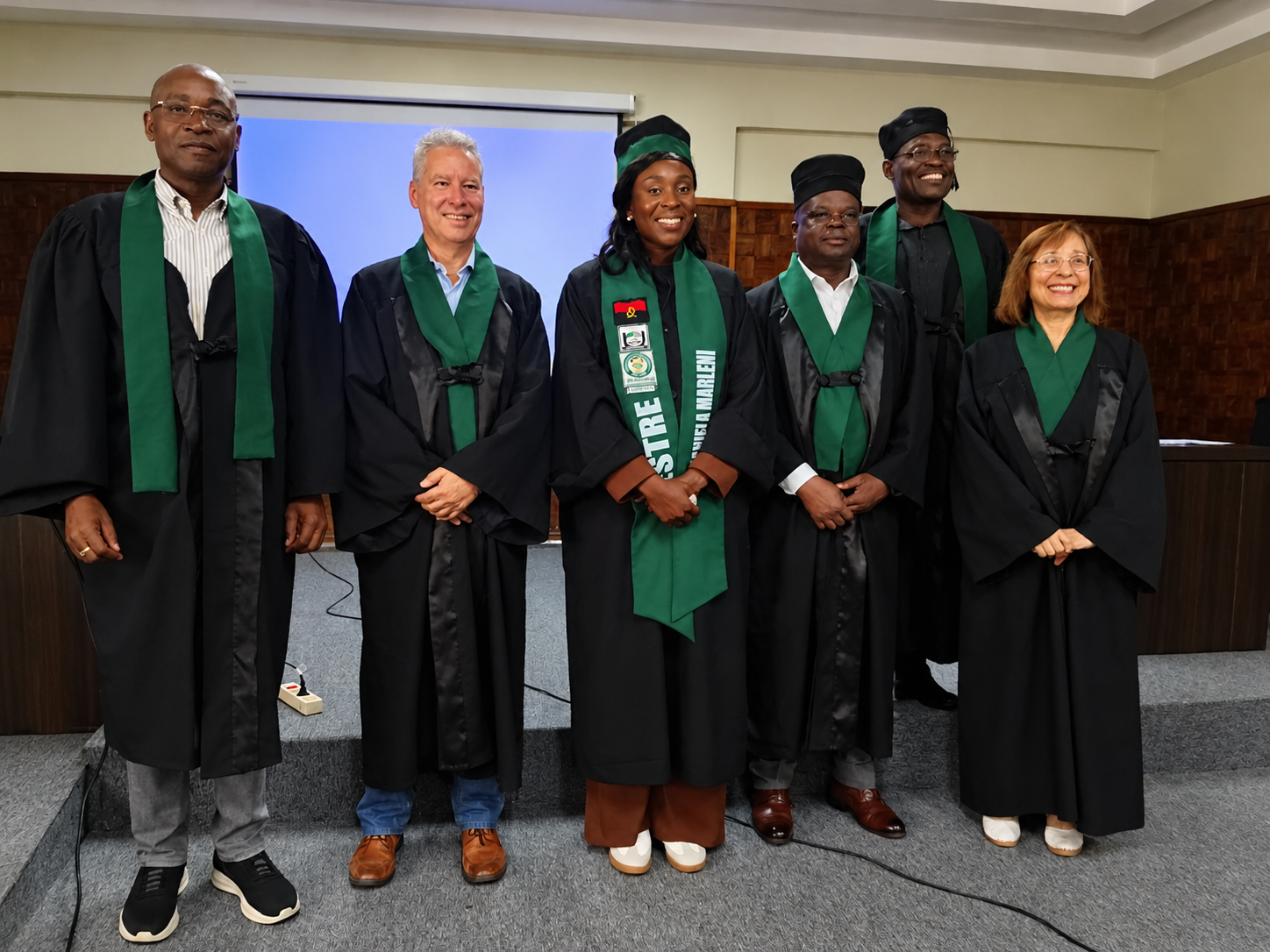
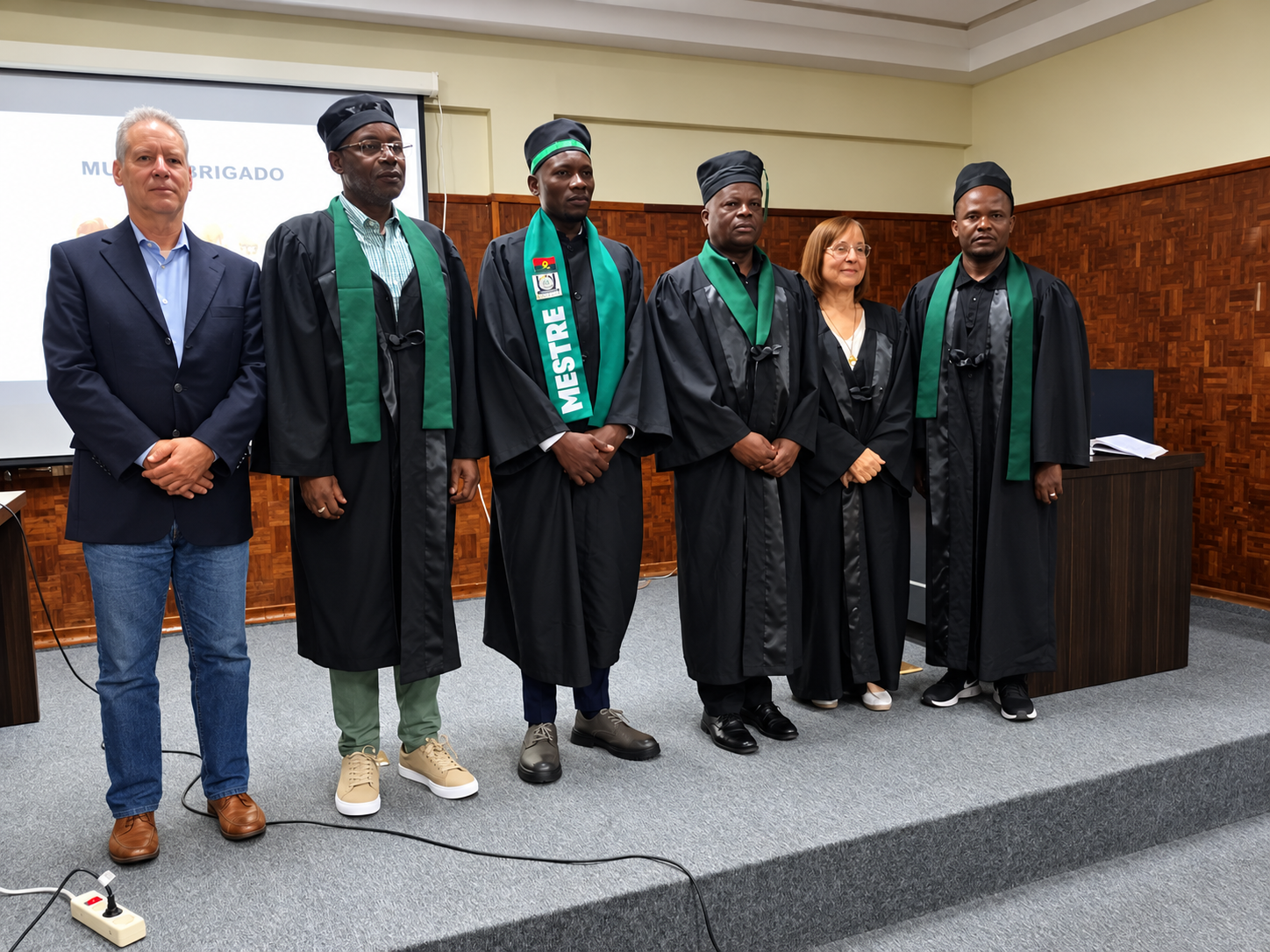
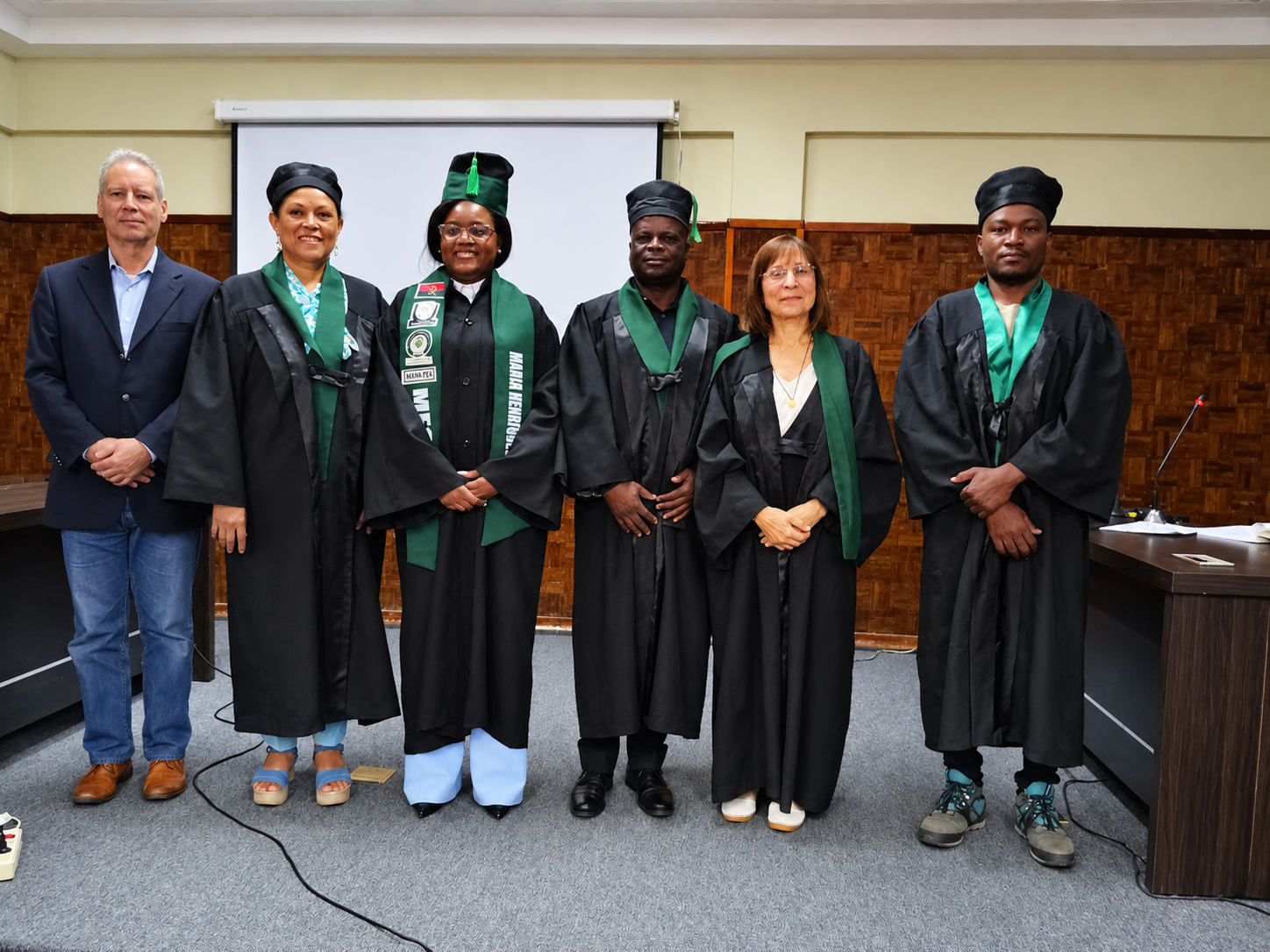
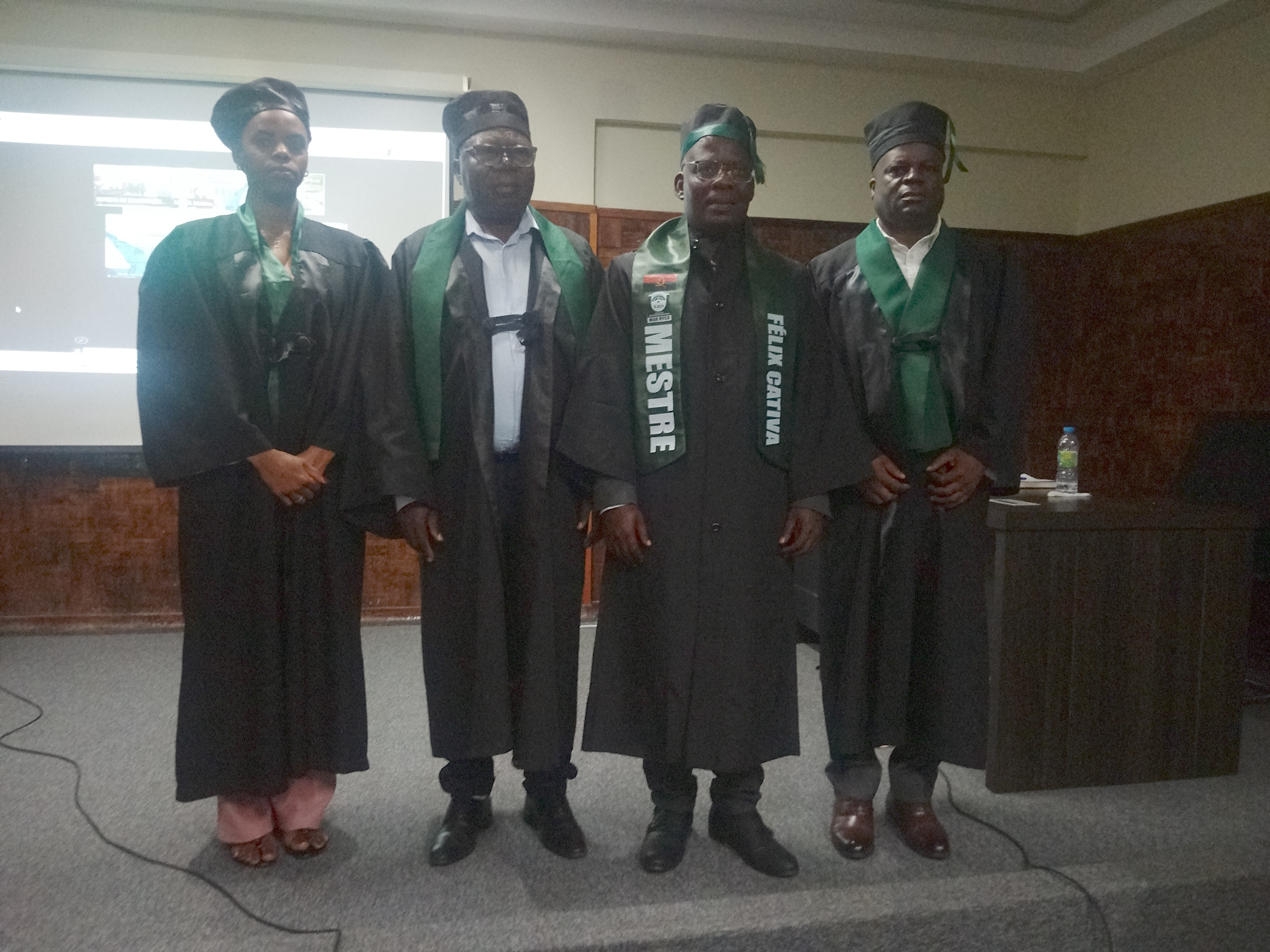
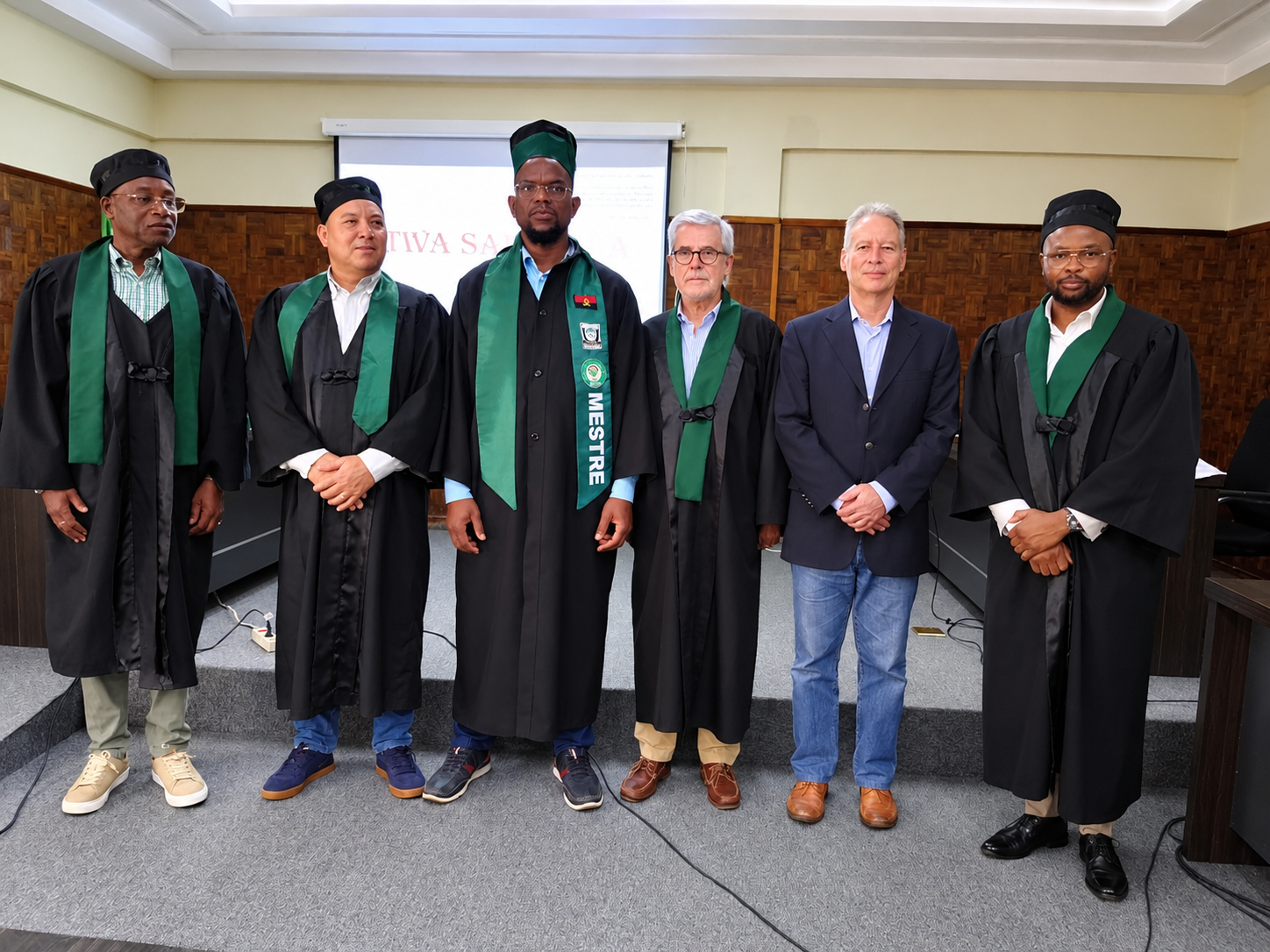
The milestone was marked during the final dissertation defence sessions held from 5 to 9 October 2026 at the Gilberto Buta Lutucuta Auditorium. The academic programme was implemented through collaboration between the Instituto de Investigação Agronómica (IIA), José Eduardo dos Santos University (UJES), through its Faculty of Agricultural Sciences, and the Instituto Superior de Agronomia (ISA) of the University of Lisbon, Portugal.
The 33 graduates successfully completed their master's studies in Agronomy and Natural Resources, Rural Extension and Rural Development. Senior researchers from IIA, including its Director General, Dr. João Ferreira Neto, participated in the dissertation examination panels, reflecting the institution's involvement in advancing scientific excellence and developing qualified agricultural professionals.
 |  |  |
The achievement is particularly significant because the postgraduate training began towards the end of APPSA implementation. Although the programme provided initial support, it closed before the students could complete their studies. Recognising the importance of the investment, the Government of Angola assumed responsibility for ensuring the continuation of the training, enabling all 33 master's students to graduate successfully. Two doctoral candidates whose studies were also initiated under APPSA are yet to complete their programmes.
Strengthening human and institutional capacity was a key component of APPSA, which sought to improve agricultural research performance, enhance regional collaboration and accelerate the generation and dissemination of improved agricultural technologies across Southern Africa. In Angola, the programme supported capacity development through postgraduate education and specialised technical training in areas such as experimental design, field trial management, data collection and statistical analysis. These investments complemented improvements in research infrastructure and were intended to strengthen the country's ability to undertake high quality agricultural research.
The graduation comes at a particularly important time as Angola advances the operationalisation of the Regional Centre of Leadership (RCoL) in Cassava and Cassava Based Farming Systems, established in Malanje Province under APPSA. Officially commissioned in October 2025, the centre represents a major investment in agricultural research infrastructure, with modern laboratories, greenhouses, experimental fields and training facilities designed to support scientific research, technology development and regional knowledge exchange.
With the additional scientific expertise acquired through the postgraduate programme, Angola is better positioned to maximise the potential of the Cassava RCoL. The strengthened competencies in agronomy, natural resources management and rural extension will contribute to the centre's ability to develop, adapt and disseminate agricultural technologies that address farmers' needs, improve productivity and strengthen resilience to climate related challenges.
As a regional facility, the Cassava RCoL is also expected to facilitate collaboration among agricultural research institutions across SADC Member States, contributing to the development and sharing of improved technologies and practices. The availability of qualified researchers and extension specialists will be essential in ensuring that research findings translate into practical solutions for farmers and rural communities.
The successful completion of the postgraduate programme further demonstrates the value of partnerships between agricultural research institutions and universities in developing the scientific expertise required for sustainable agricultural transformation. Equally important, the Government of Angola's decision to sustain the training after APPSA's closure provides a strong example of national ownership and continuity in development cooperation.
 |  |  |  |  |
Source: Instituto de Investigação Agronómica (IIA)