In a context where agricultural research across Africa is persistently underfunded, the Agricultural Productivity Programme for Southern Africa (APPSA) has demonstrated the critical role of regional collaboration in addressing systemic gaps in technology generation and dissemination. As APPSA officially closed on 30 June 2025, it leaves a measurable and impactful legacy across the SADC region, particularly in Angola and Lesotho, where the second phase was implemented.
Data from the International Food Policy Research Institute (IFPRI, 2023) confirms that most African countries invest below 0.5% of agricultural GDP in research and development, well below the African Union’s 1% target outlined in the Malabo Declaration. Additionally, the Food and Agriculture Organization (FAO) notes that only a small number of African countries have functioning technology transfer systems capable of supporting innovation at scale. In this context, the APPSA model represents a strategic and results-oriented intervention.
A Regional Approach to Address a Regional Challenge
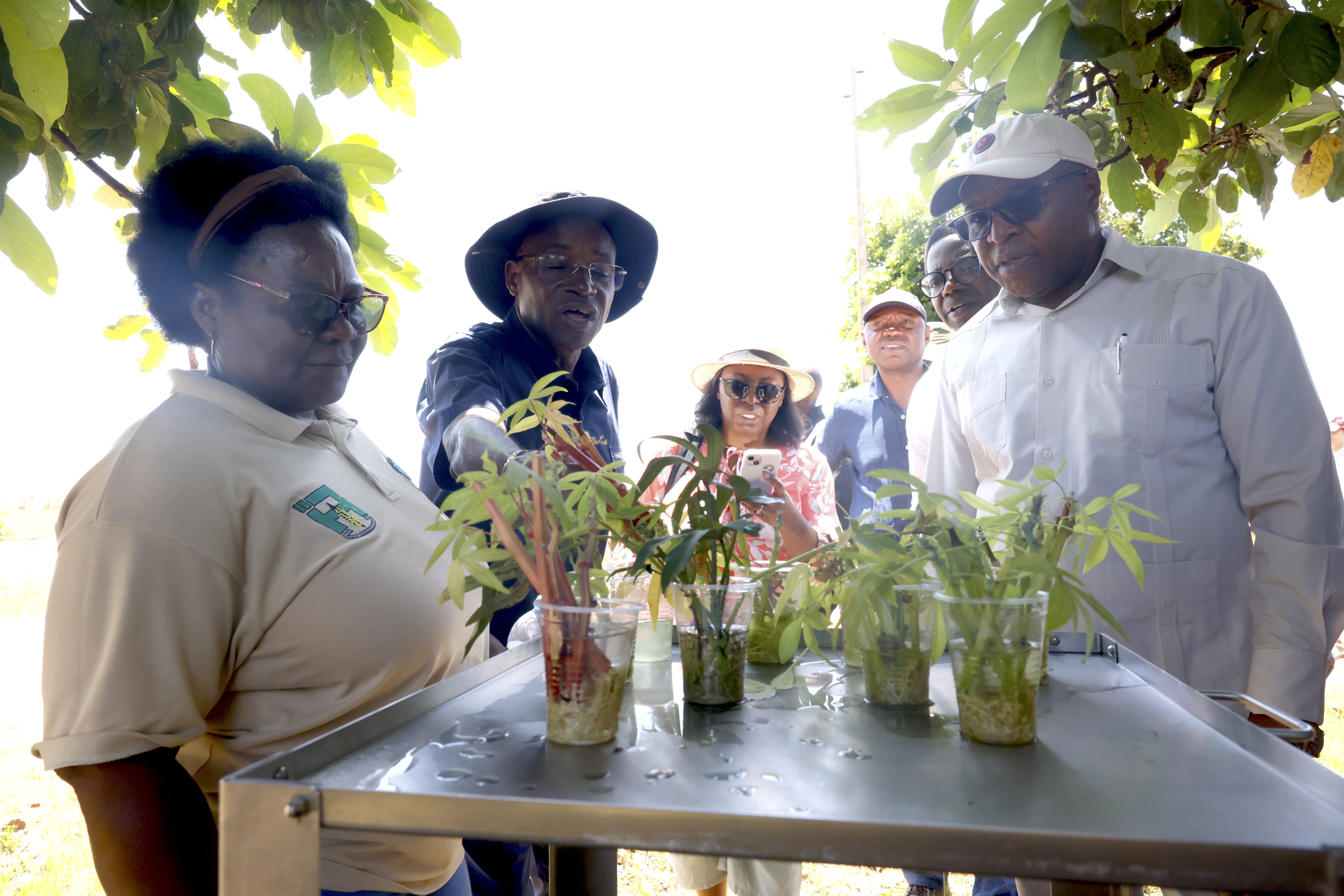
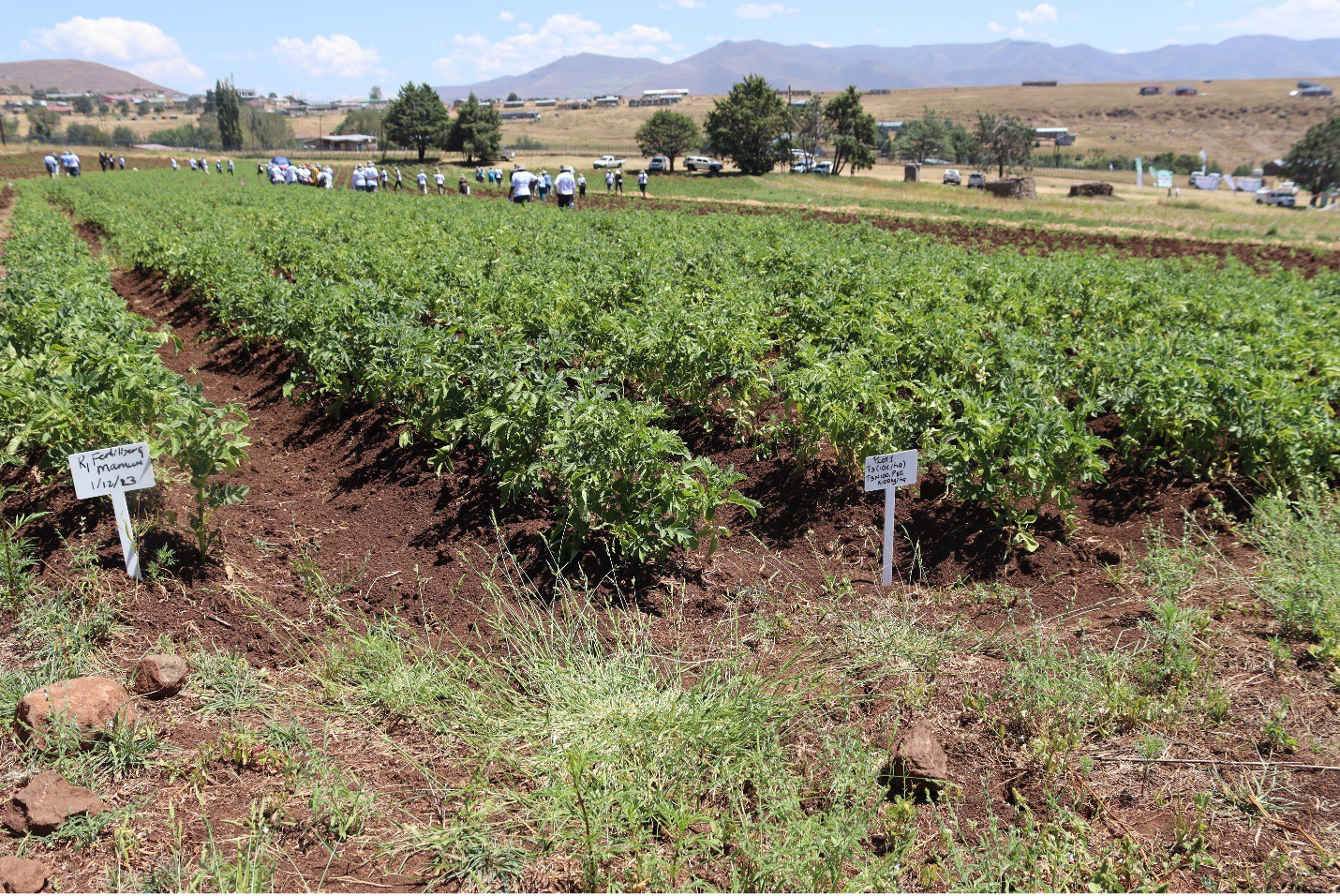
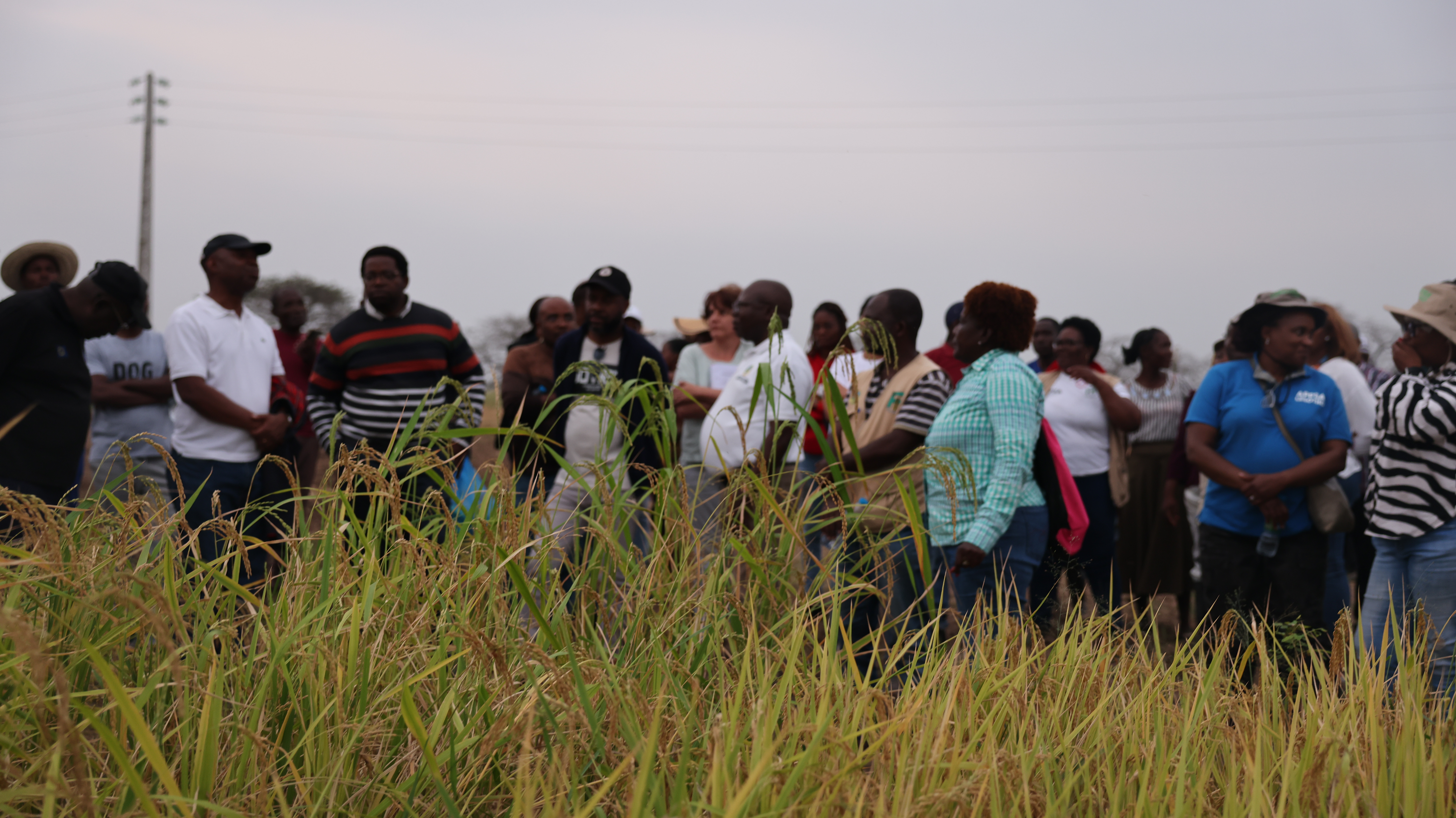
APPSA’s core design was premised on the establishment of Regional Centres of Leadership (RCoLs) — a model whereby countries specialise in commodities of regional importance and collaborate across borders to conduct research, disseminate technologies, and strengthen institutions. Phase I of the programme (2013–2019) supported Malawi, Mozambique and Zambia in establishing RCoLs for maize, rice, and food legumes, respectively. Phase II (2019–2025) expanded this model to cassava in Angola and horticulture in Lesotho.
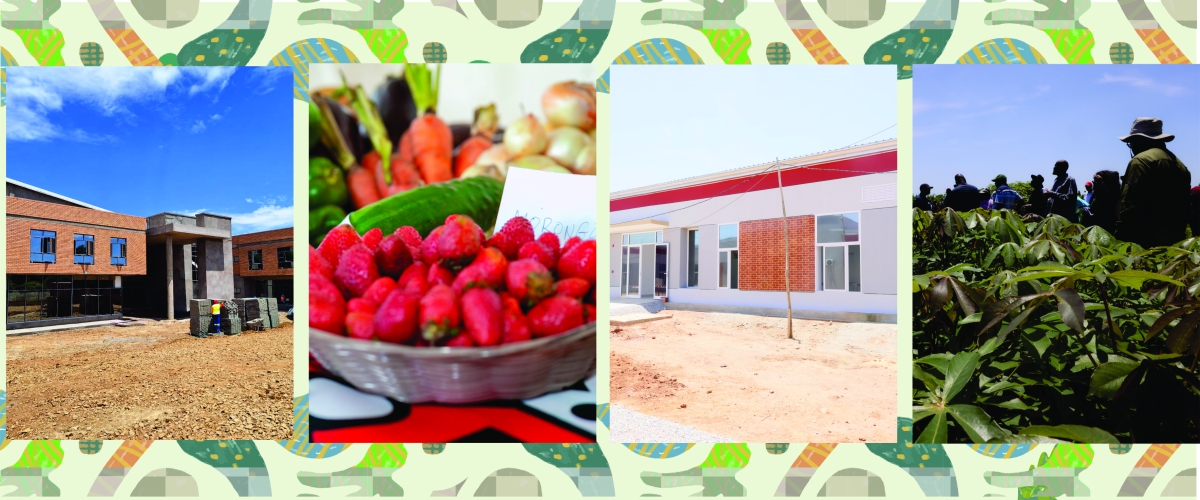
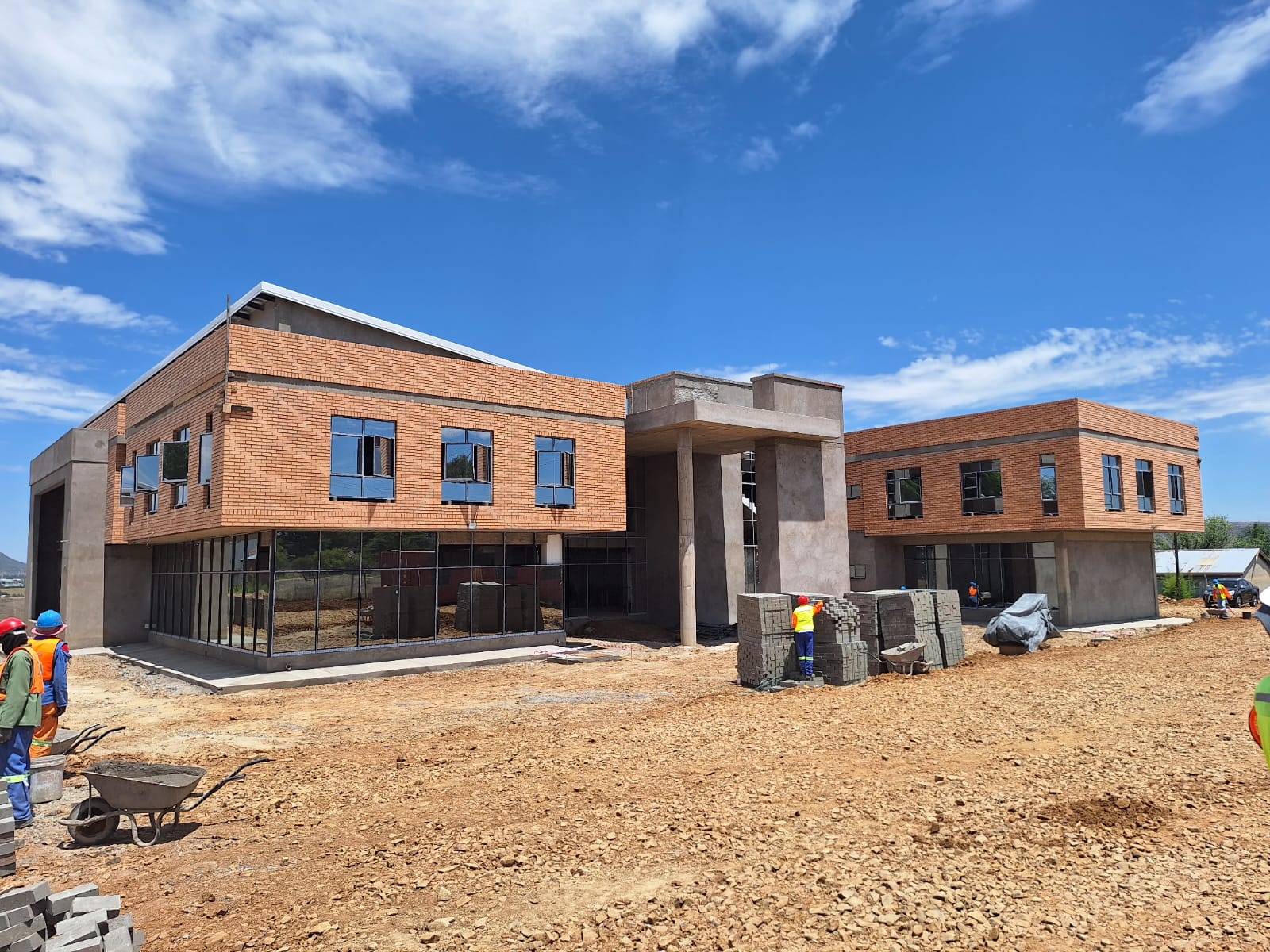
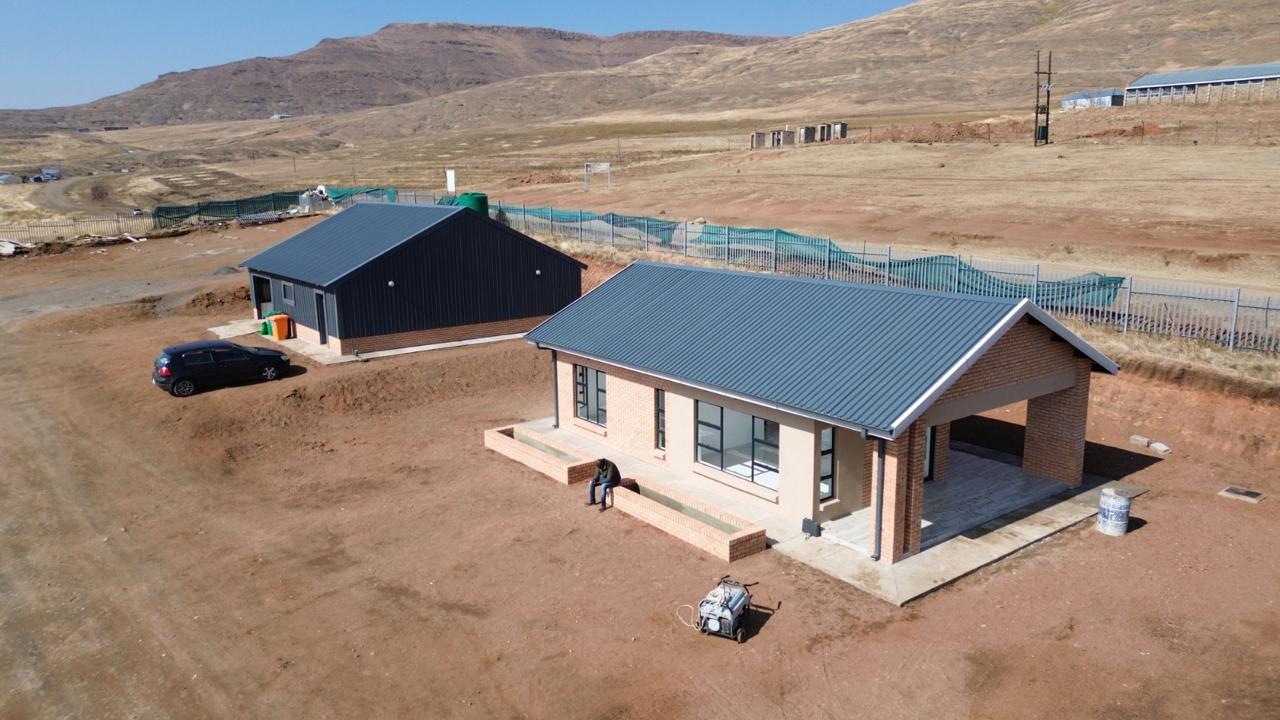
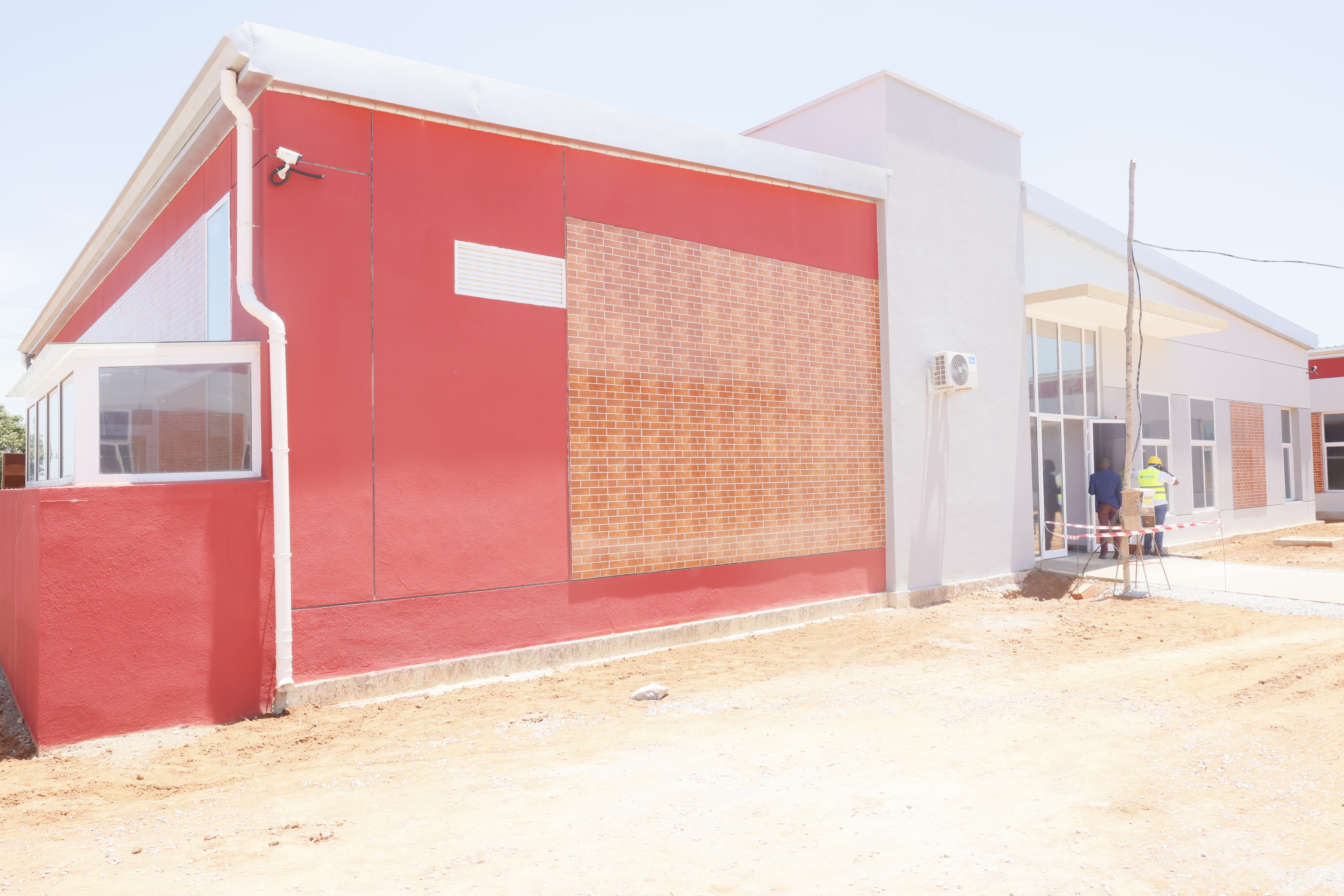
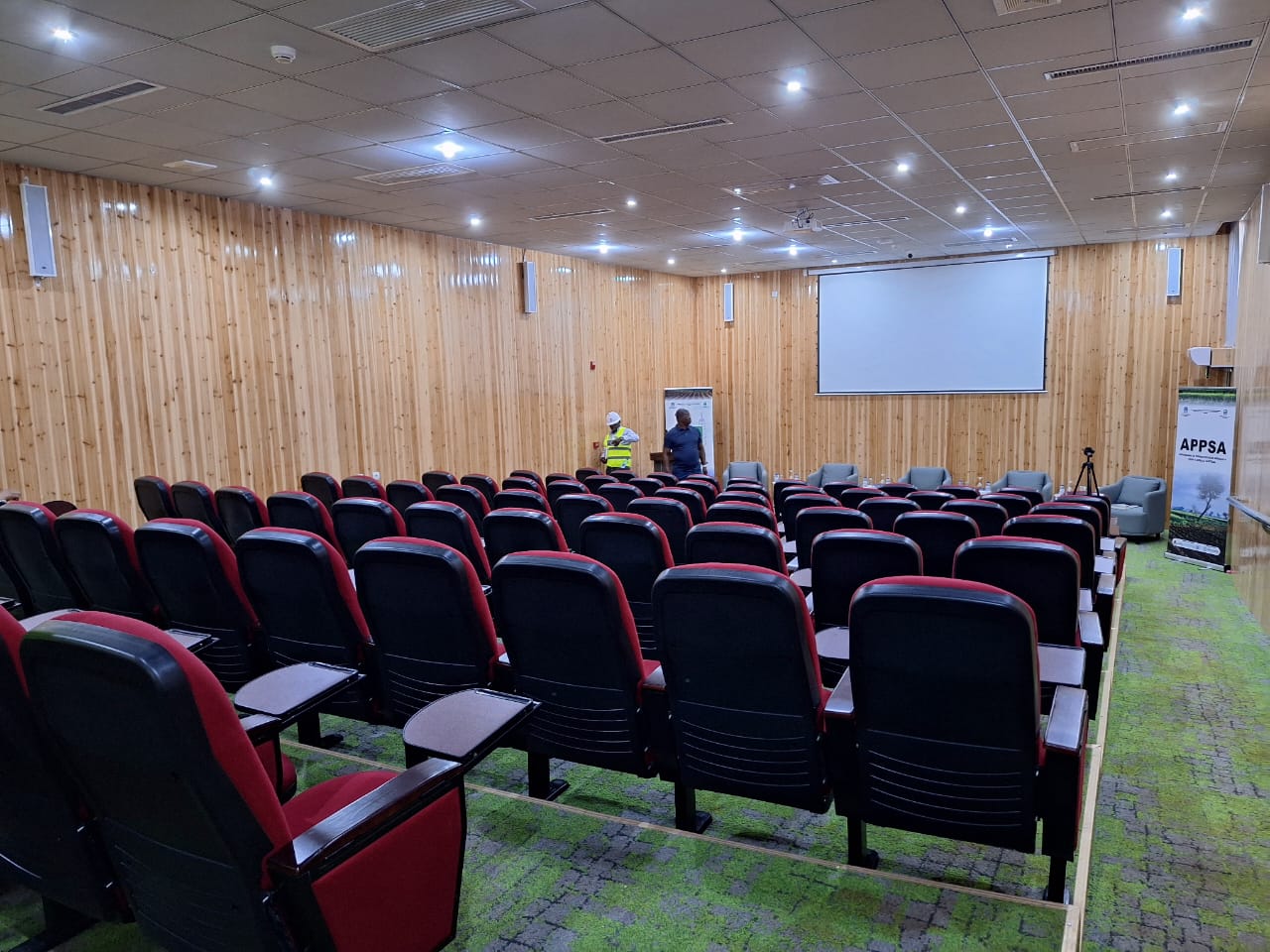
"Developing research infrastructure was a key priority for APPSA during the establishment of the RCoLs."
 |  |  |  |
The second phase was financed through a US$50 million World Bank investment, implemented by national research institutions, technically overseen by the Centre for Coordination of Agricultural Research and Development for Southern Africa (CCARDESA), which played a central role in regional facilitation, quality assurance, monitoring and evaluation, and capacity development throughout the life of the programme.
Phase II Results: Key Achievements
Despite facing implementation delays, including those induced by the COVID-19 pandemic, APPSA Phase II achieved or exceeded most of its outcome targets. According to the final Implementation Completion and Results Report (ICR, 2025), notable results include:
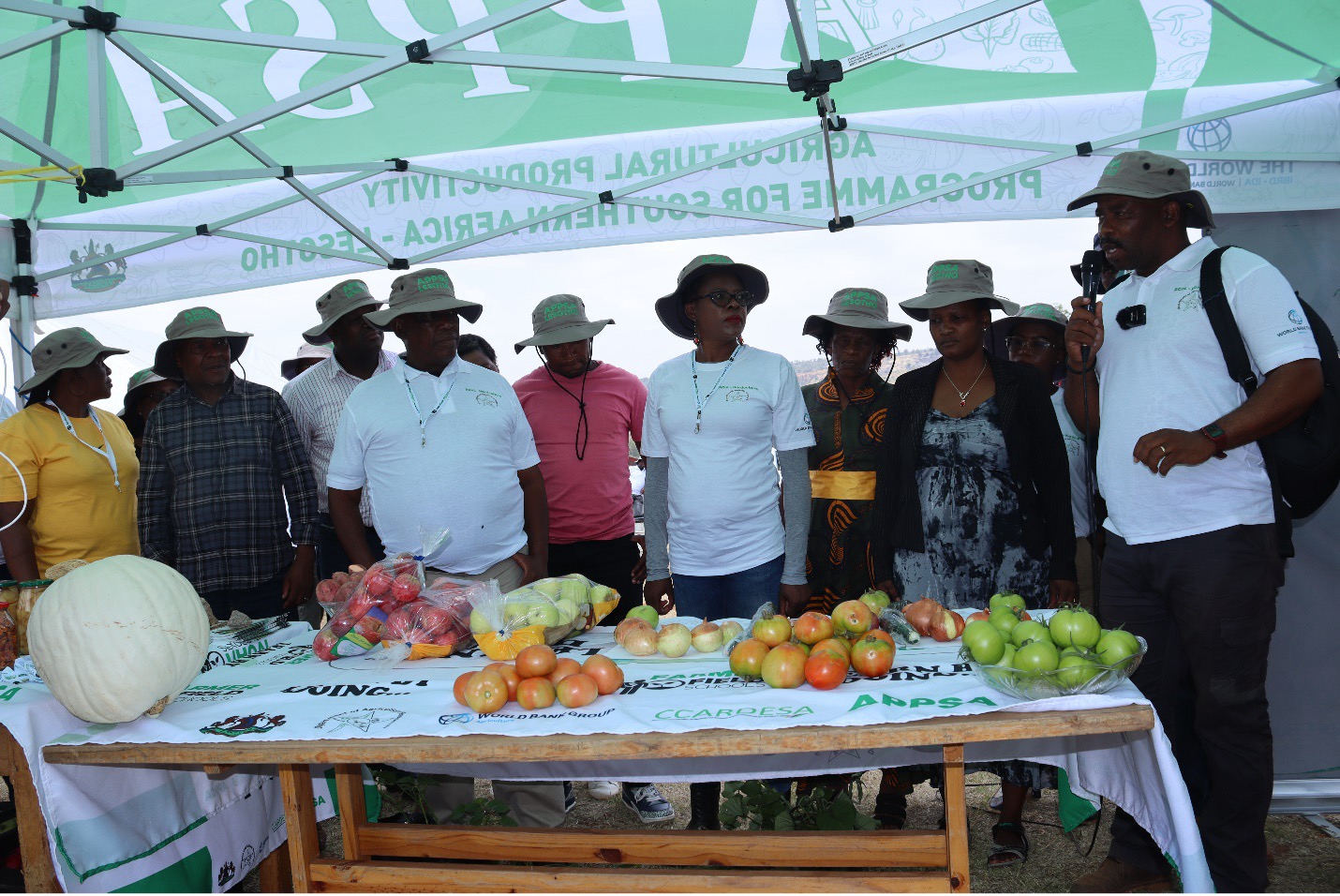
- 117 improved agricultural technologies made available to farmers and end users (target: 100). These included:
- 66 improved seed varieties,
- 17 improved agronomic practices,
- 12 post-harvest innovations, and
- 22 nutrition-sensitive technologies.
- 64.7% adoption rate of improved technologies among farmers (68.5% in Angola; 61.0% in Lesotho).
- 50,336 direct beneficiaries reached, achieving 100.7% of the original target.
- 24 technologies promoted across participating countries, representing 96% of the cross-country dissemination target.
- 43 collaborative research and development sub-projects implemented, 93% of which were completed by project closure.
- 9,998 staff training days delivered (target: 2,000), with a strong focus on strengthening institutional systems and staff capabilities.
- 59 postgraduate scholarships awarded, with 33% of recipients being women. Training covered disciplines such as consumer science, integrated water management, crop improvement, and molecular biology.
- Seven research centres rehabilitated or constructed, including laboratories, irrigation systems, storage facilities, and access roads in Lesotho and Angola.
These results underscore the project’s effectiveness in enhancing national capacities, improving access to technologies, and creating institutional structures that support agricultural productivity and resilience.
"APPSA exceeded its target by delivering 117 improved technologies, surpassing the initial goal of 100."
 |  |  |  |
CCARDESA's Role in Regional Coordination
Throughout implementation, CCARDESA provided regional coordination, technical backstopping, and quality assurance, ensuring that participating countries worked towards shared objectives. CCARDESA also facilitated:
- The establishment and operationalisation of a regional Management Information System (MIS);
- The regional scientific conference to showcase research outputs and promote policy dialogue;
- The development of harmonised monitoring and evaluation tools, enabling consistent data collection and reporting;
- Coordination of a digital agriculture landscape study to inform policy and future interventions in the SADC region.
CCARDESA also supported efforts to harmonise seed regulatory frameworks and facilitated joint learning through exchange visits and technical missions.
Institutional Strengthening and Gender Mainstreaming
The programme achieved significant milestones in institutional strengthening. In Angola, for instance, the Instituto de Investigação Agronómica was equipped to lead cassava-based R&D, while in Lesotho, the Department of Agricultural Research established a horticulture-based RCoL and rehabilitated key research infrastructure.
The programme also prioritised gender inclusion, with women comprising:
- 33% of long-term scholarship recipients;
- 30% of lead researchers and co-investigators in sub-projects;
- Over 50% of participants in Farmer Field Schools and extension training.
These investments contributed to building a pipeline of female scientists and agricultural professionals, in alignment with SDG 5 (Gender Equality) and the SADC Gender Protocol.
Closure and Replicability of the APPSA Model
The closure of APPSA in June 2025 marked the end of a programme that not only delivered results but also laid the foundation for future regional collaboration. While the project is ending, its systems, infrastructure, and institutional capacities remain operational and have been integrated into national programmes and strategies.
The APPSA model — anchored on regional specialisation, joint R&D, policy harmonisation, and coordinated knowledge exchange — has proven effective and scalable. Its success offers a blueprint for other regions in Africa facing similar constraints in agricultural research and innovation.
Take-aways
APPSA Phase II has delivered a substantial return on investment in agricultural research and development for Angola, Lesotho, and the wider SADC region. Through a structured, regional approach and strong technical coordination by CCARDESA, the programme has demonstrated that targeted, collaborative investment in agricultural R&D can yield measurable and sustainable impacts.
The programme's legacy will be reflected not only in the technologies released and infrastructure developed but also in the strengthened human capital, institutional systems, and regional integration that will continue to benefit the agricultural sector in years to come.