

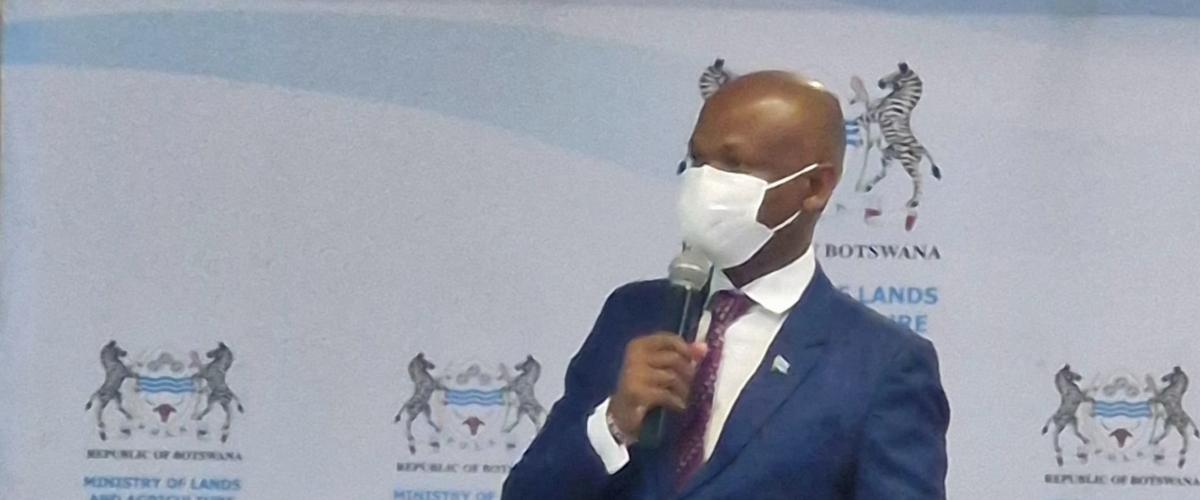
Delivering the keynote address, Acting Minister of Ministry of Lands and Agriculture , Hon. Edwin Dikoloti, acknowledged that while the existing policy has served the country for over 34 years, the current global and national context demands a bold new direction.
“The existing national policy was developed from 1966 and reviewed in 1991. Clearly, a lot has changed,” said Hon. Dikoloti. “We now face challenges such as climate change, market access limitations, and the need to align with new frameworks like the Sustainable Development Goals (SDGs).”
The Hon. Minister emphasized that agriculture is more than a sector, it is a way of life and the foundation of Botswana’s food systems and identity. He said the new policy must respond to emerging realities by boosting productivity, increasing access to finance and technology, and promoting sustainable practices.
“Agriculture is the heartbeat of our country. Food sovereignty must empower farmers and communities to produce food in ways that align with their cultural values, traditional practices, and aspirations. This is not just about food security, it is about dignity, resilience, and power in the hands of our people,” he said
In urging the participants to be visionary and practical, the Hon. Minister posed several thought-provoking questions: How do we grow a private sector that supports agriculture? How do we create an enabling environment for farmers to access markets? And how do we ensure that our farmers can compete both nationally and internationally? These questions, he said, must guide the policy’s direction and ensure that it truly meets the needs of present and future generations.
He reiterated the government’s commitment to a participatory, inclusive process that reflects the voices of those the policy intends to serve. “Let us develop a policy that reflects our shared vision and dream for Botswana and future generations,” he urged.
Also speaking at the event, Dr Tapelo Lealemu, Deputy Permanent Secretary, underscored the urgency and significance of this long-overdue policy review.
“Agriculture is the basis of everything we do. It sustains not just our food systems, but our clothing, trade, and livelihoods. Let us plan not only for today, but for the unborn and all future generations.”
A presentation by Ms Lerato Sello provided an overview of the draft policy, which aims to position Botswana as a commercially viable agricultural hub centered on food sovereignty. Key challenges identified include prolonged droughts, climate change impacts, low youth participation, and pest infestations. Yet, there are also promising opportunities, especially in the beef industry, where Botswana can build on branding, marketing, and animal traceability to access growing global markets.
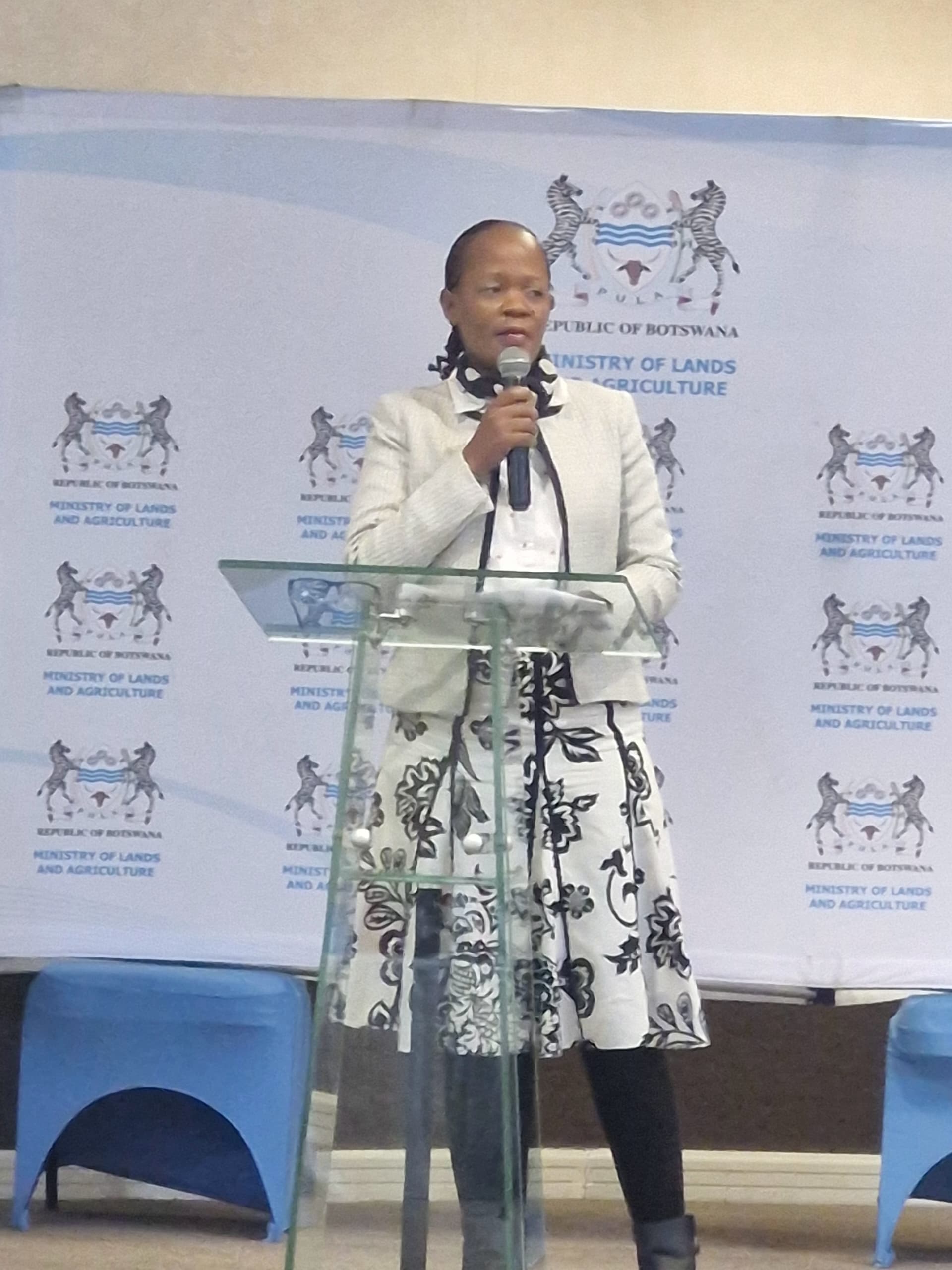
“COVID-19 taught us a valuable lesson,” Lorato noted. “When borders closed, we saw the urgency of producing our own food. We must never again depend entirely on other countries to feed our people.”
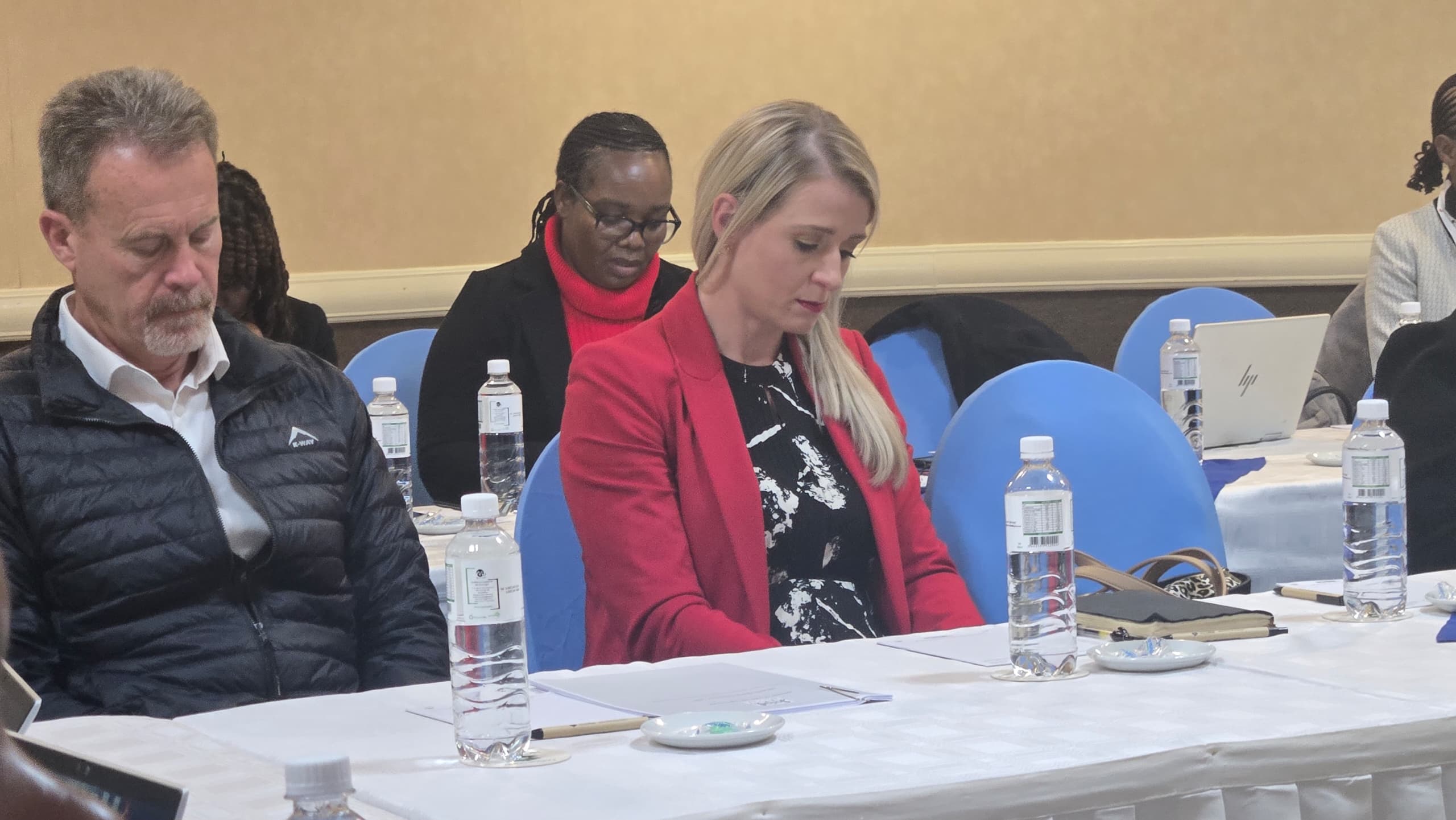
CCARDESA was represented by Ms Futhi Magagula, CAADP-XP4 Programme Officer and Mrs. Bridget Kakuwa-Kasongamulilo, ICKM Officer who participated actively in the deliberations. During the group discussion sessions, CCARDESA underscored the importance of aligning Botswana’s policy with regional efforts in climate-smart agriculture, knowledge management, youth and gender inclusion, and innovation-led food systems transformation. “As we revise this critical policy, it is important to embed a strong knowledge management component to ensure that agricultural innovations, lessons, and best practices are systematically captured, shared, and used to inform decision-making across all levels. Without knowledge management, we risk repeating past mistakes and missing opportunities to build a resilient and forward-looking agricultural sector”. Reiterated Mrs Kasongamulilo.
Drawing upon her extensive regional experience, Ms. Magagula highlighted the importance of incorporating evidence-based practices and regional learning mechanisms to improve policy responsiveness and execution. She stated, “We commend the inclusion of apiculture and aquaculture in the revised policy, as these sectors present significant potential for income generation and nutritional enhancement. She further suggested the inclusion of strategies to address regional research priorities, which include tackling water pollution and invasive species.The workshop concluded with a call for collective responsibility and continued collaboration in finalizing the policy. Participants from regional organisations welcomed the consultative approach and expressed optimism that the new policy would be both progressive and pragmatic. The revised NPAD is expected to serve as a roadmap for resilient, inclusive, and modern agriculture in Botswana, a sector vital to the country’s economy, environment, and national identity.