
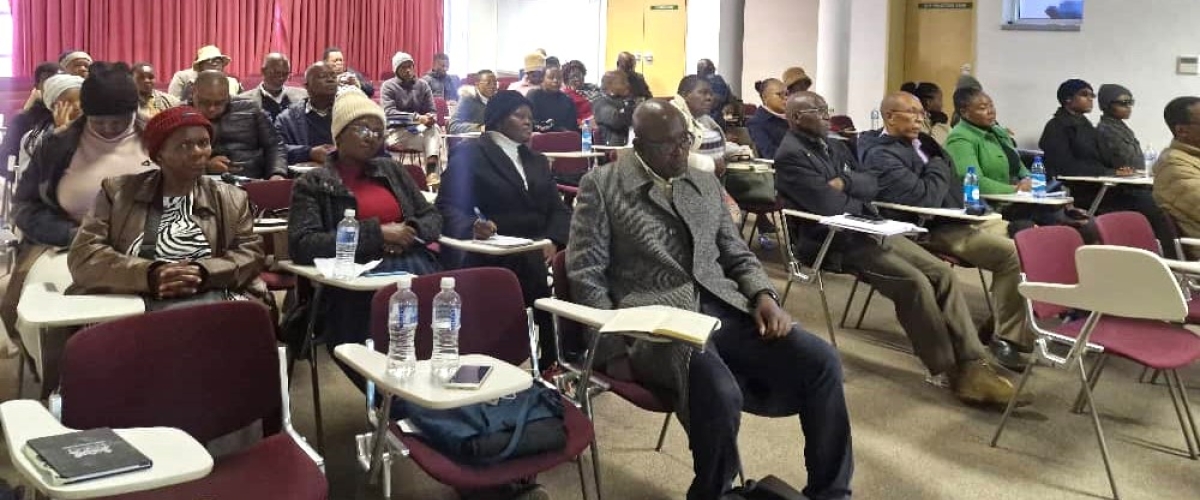
The Centre for Coordination of Agricultural Research and Development for Southern Africa (CCARDESA) reaffirmed its commitment to advancing resilient and sustainable farming systems during a high-level workshop titled "Empowering Farmers on Resilient Farming with Agroecology and Diversification," held on 30 June 2025 at NARDI, Botswana.
The objectives of the workshop were to enhance understanding of agroecology principles, promote diversification as a resilience strategy, and empower farmers with knowledge and tools, techniques, and locally adapted practices for implementing agroecology and diversification.
Representing the CCARDESA Executive Director, Prof. Cliff Dlamini, Ms. Futhi Magagula, the Special Project Coordinator responsible for the Accelerating Impacts of CGIAR Climate Research for Africa (AICCRA) and CAADP-XP4 projects, delivered the official opening remarks and conveyed warm greetings from the Secretariat. She emphasized the pressing need to move away from traditional agricultural models due to climate change, biodiversity loss, market volatility, and ongoing food insecurity.

“Our farmers are facing complex and interlinked challenges that demand transformative solutions. Agroecology and diversification are not just concepts; they are powerful pathways to sustainable, adaptive, and inclusive farming systems,” she said.
CCARDESA, in collaboration with its regional partners, has been leading dialogues on climate-smart agriculture, agroecology, and nature-based solutions. Ms. Magagula highlighted the Research for Agroecology Network of Southern Africa (REANS), an innovative project implemented through a consortium of eight institutions, including universities, national research bodies, and civil society organizations. The project aims to support a sustainable agri-food system transition in the SADC region by applying agroecological principles.
She explained that agroecology provides science-based, people-centered approaches that restore soil health, promote biodiversity, reduce reliance on expensive inputs, and strengthen local food systems. Additionally, diversifying crops, livestock, value chains, and income sources enhances farmers' ability to cope with shocks, pests, and market fluctuations. “True empowerment means ensuring that farmers are not just passive recipients of technology, but active innovators, stewards of biodiversity, and leaders of change in their communities,” she added. She officially opened the workshop with a call to action: “Let us co-create pathways that bring agroecological resilience from the margins to the mainstream.”
Dr. Daniel Gabolatse, Chairman of Ecological Organic Agriculture (EOA) in Botswana, stated, “Practices such as agroecology and organic farming protect the soil from degradation, loss of biodiversity, loss of beneficial organisms, and must be supported in Botswana.” The Ecological Organic Agriculture Initiative (EOA-I) is a continental effort by the African Union to promote ecological organic agriculture (EOA) across the African continent.
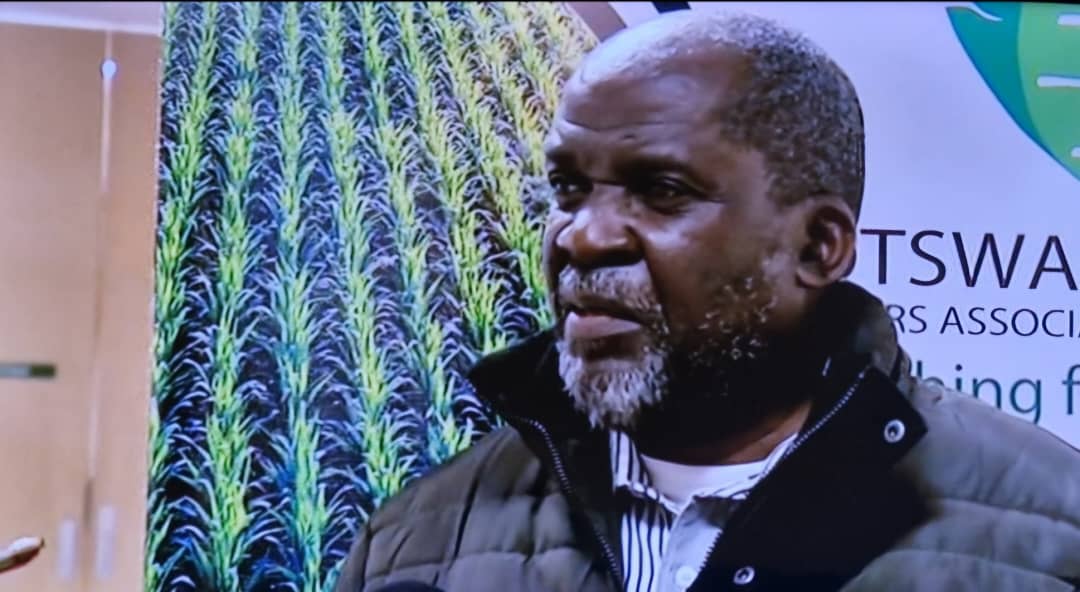
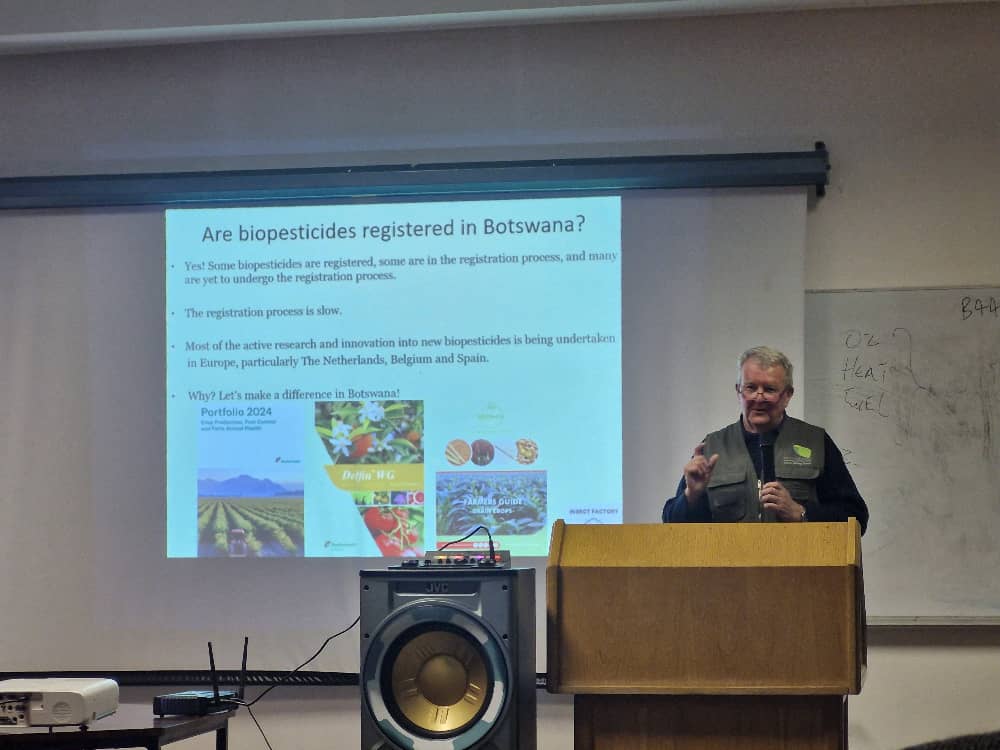
Professor Graham Hall, a Principal Entomologist and CEO of Insect Factory Proprietary Limited in Botswana, emphasized the critical role of conserving beneficial insect populations within agricultural ecosystems. He underscored that the sustainable management of these insects is essential for enhancing soil health, pollination services, and biological pest control, thereby fostering resilient farming systems. “We believe healthy ecosystems are fundamental to our future”. He also emphasized the importance of integrated pest management and the use of biopesticides to more effectively manage pests.
Other experts also emphasized the importance of sustainable farming and diversification, with a focus on apiculture, aquaculture, fodder production, and conservation techniques, among other areas.
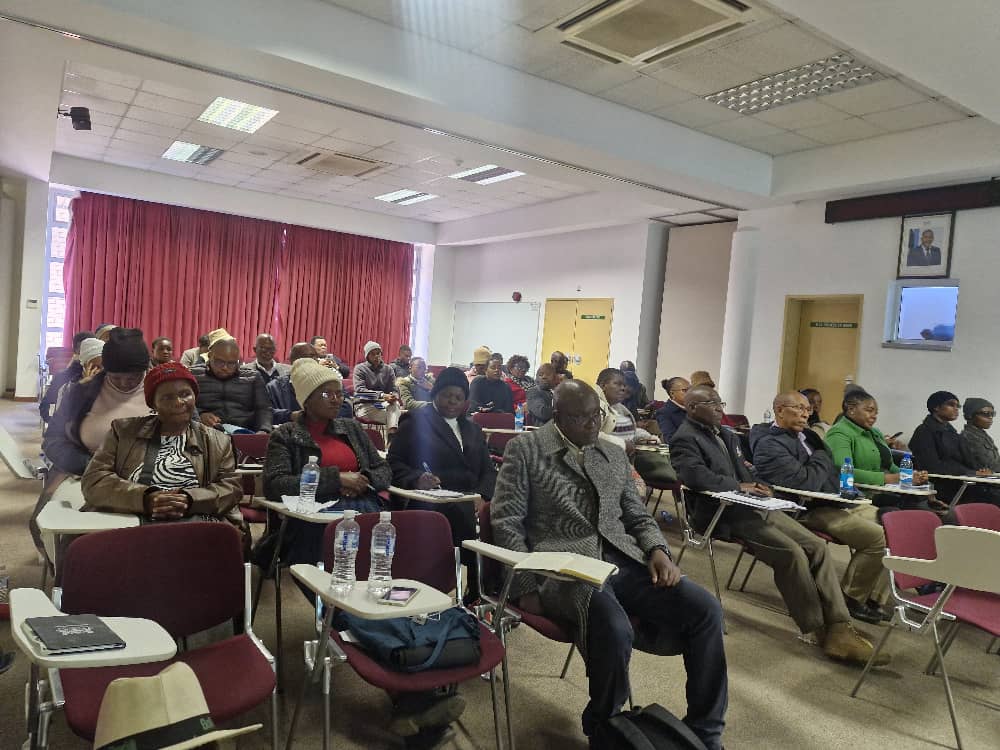
The workshop convened senior government representatives, academia, researchers, representatives from farmer organizations, civil society actors, and private sector stakeholders to engage in in-depth discussions focused on shaping policies and practices that promote sustainable agricultural development in Botswana.