By Felix Mothatego
Livingstone, Zambia – July 2025
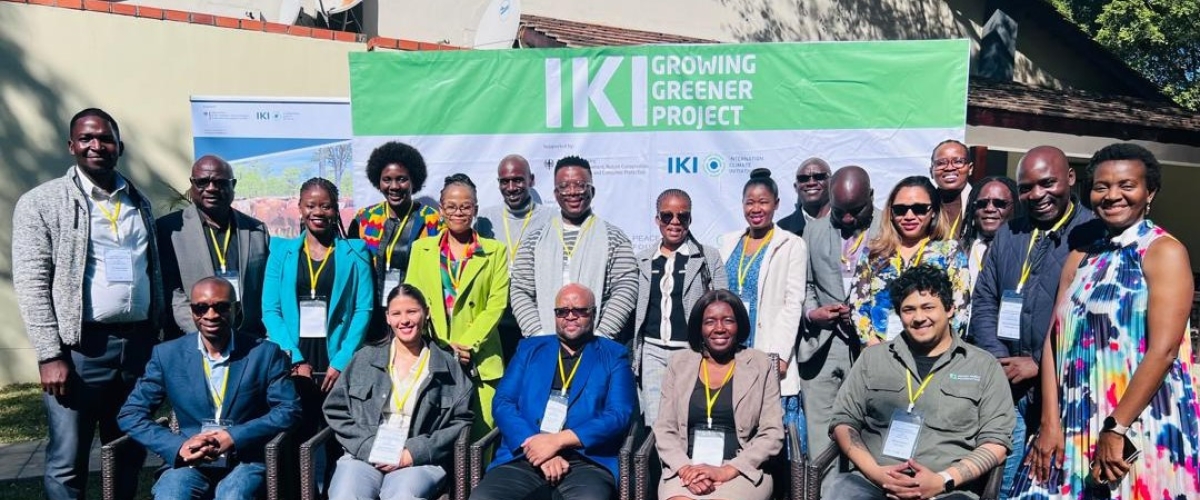
The Centre for Coordination of Agricultural Research and Development for Southern Africa (CCARDESA) advanced its commitment to bridging science, policy, and community through a three-day Media Training on Rangeland Management from 29- 31 July, held at the Protea Hotel in Livingstone, Zambia. This hands-on initiative was designed to build the capacity of journalists from across the SADC region in reporting on sustainable land management, rangeland restoration, and climate-resilient agriculture. It was held under the auspice of the Growing Greener Consortium, a partnership involving CCARDESA, Peace Parks Foundation, and Conservation International, working in collaboration with GIZ to drive sustainable land use solutions.”
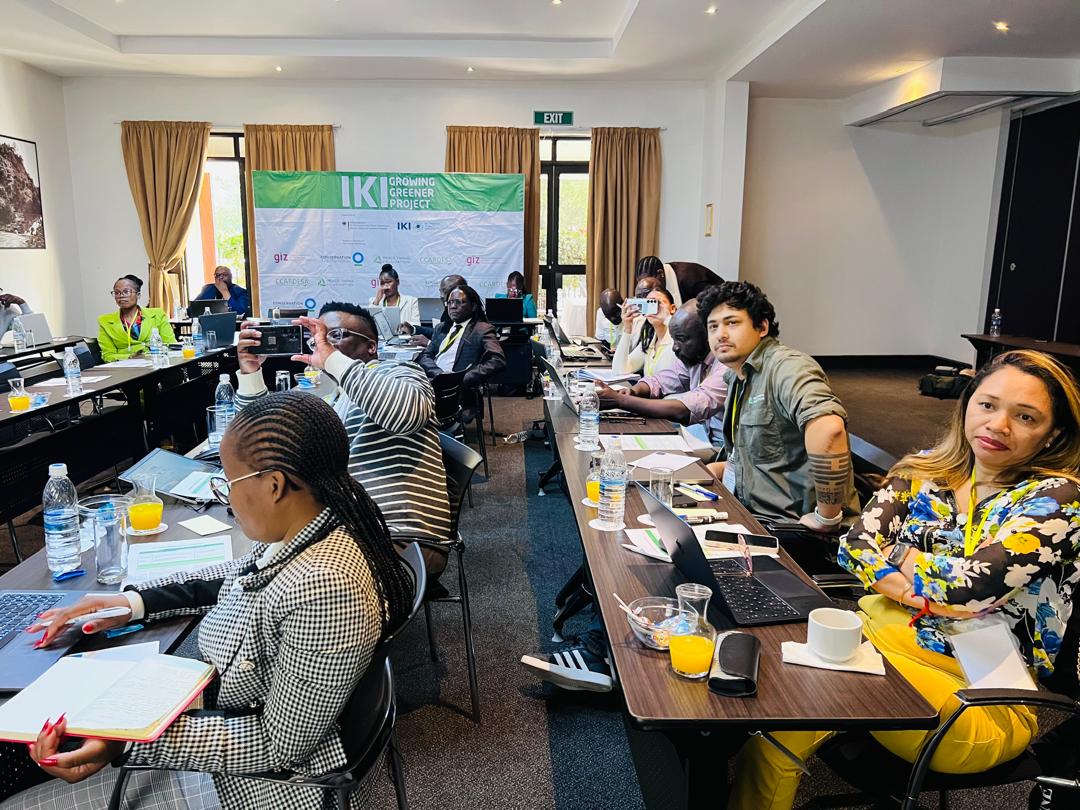
Led by CCARDESA’s Executive Director, Professor Cliff S. Dlamini, the training integrated presentations, storytelling, digital engagement, and immersive field visits to promote a deeper understanding of rangeland degradation and the Herding for Health (H4H) model. “We are investing in strengthening media engagement to bridge the gap between science and policy,” Prof. Dlamini said in his opening remarks. “This training ensures that journalists can report from an informed point of view, supporting efforts to restore land, build resilience, and tell inclusive stories that reflect the realities of women, youth, and indigenous knowledge holders.”
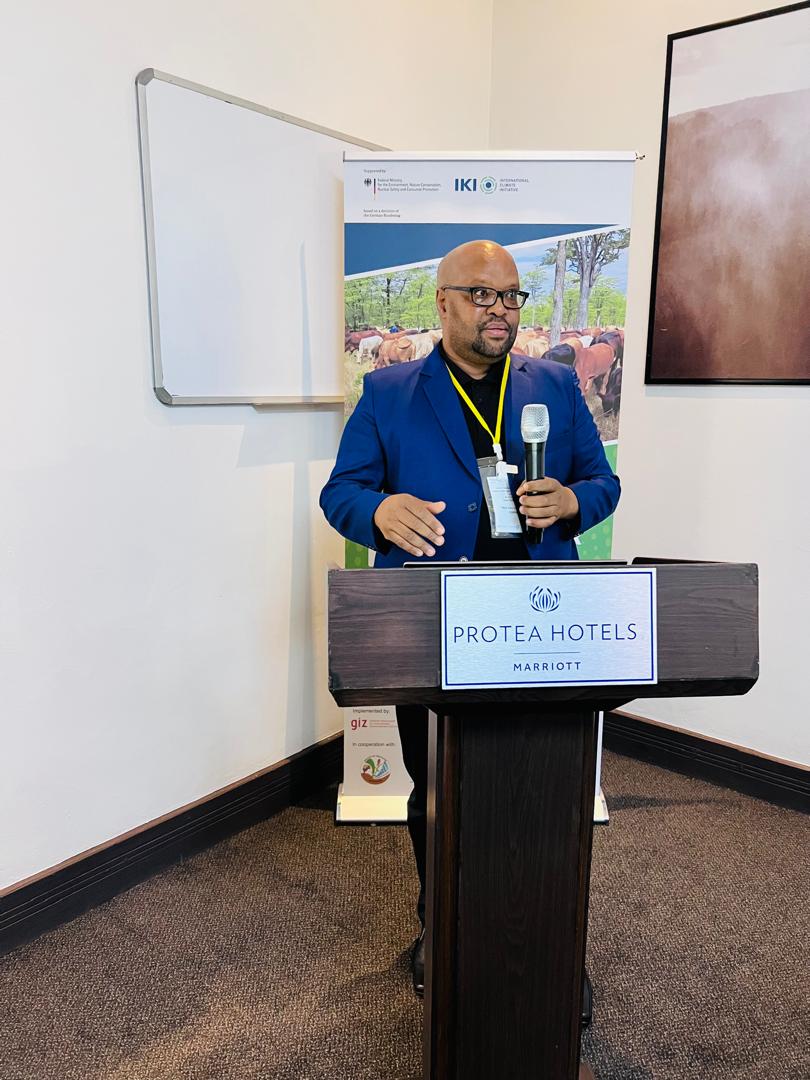
Prof. Dlamini also acknowledged the financial support from GIZ and highlighted the important partnerships with Peace Parks Foundation and Conservation International, noting their commitment to sustainable ecosystem management across the region.
Mr. Doubt Chibeya, GIZ Technical Advisor-Zambia, shared the rationale behind the training. “We want the media to hear directly from field managers and communities. These interactions help journalists identify policy gaps, produce impactful stories, and learn from one another.” In his presentation on the IKI Growing Greener Project, Mr. Chibeya emphasized that H4H is more than a conservation model. “It’s a livelihood programme with conservation outcomes. We are making Africa’s rangelands thrive for both people and nature.”
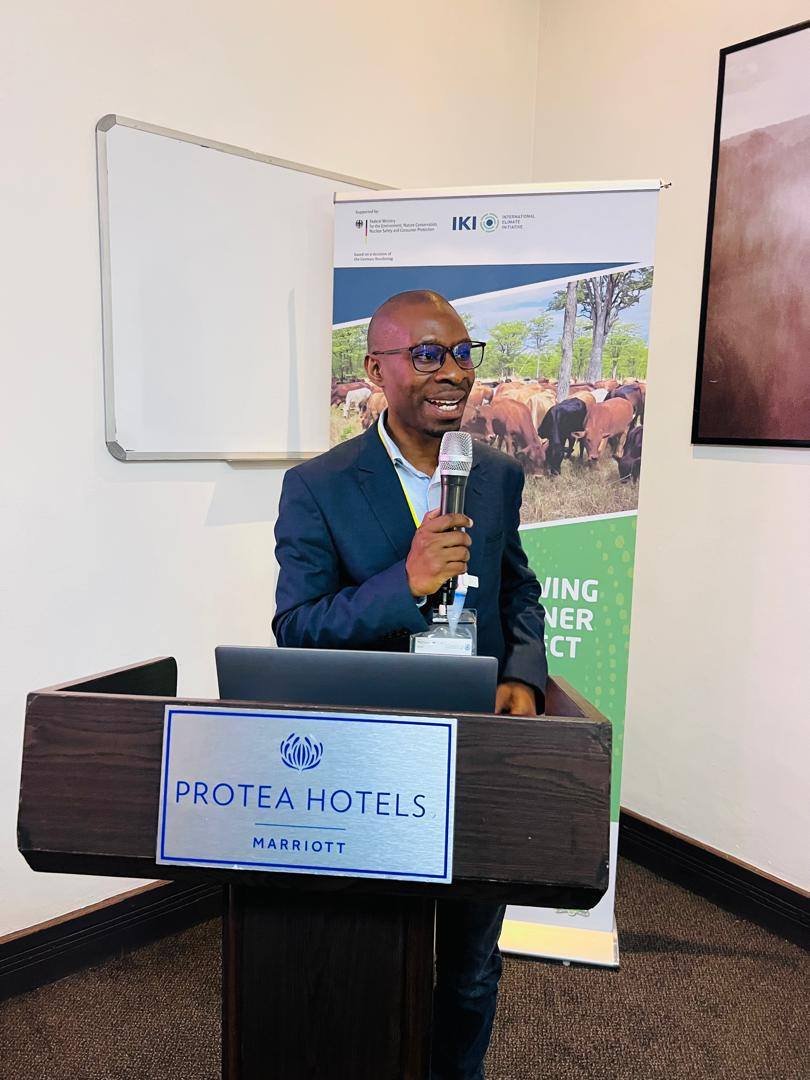
Mrs. Bridget Kakuwa-Kasongamulilo, CCARDESA’s Information, Communication & Knowledge Management Manager, highlighted the importance of collaboration and knowledge sharing in the SADC region. She emphasized that CCARDESA, as a SADC subsidiary, facilitates agricultural innovation across 16 member states, which is home to over 400 million people, with agriculture remaining a top priority for economic development. “Despite agriculture's centrality, productivity remains low. That is why CCARDESA, through the Growing Greener Project, is strengthening research, fostering partnerships, and promoting knowledge exchange to support sustainable rangeland management across the region,” she explained
Mrs. Catherine Mathatha, Acting Manager of the Simalaha Community Conservancy, offered a compelling case for the impact of AgriHubs. “Our Agrihub model empowers farmers with training, access to markets, and value addition opportunities, creating a livelihood programme with conservation outcomes,” she explained. She highlighted how community-led, market-oriented agro-pastoral systems are reducing human-wildlife conflict, restoring degraded lands, and strengthening local economies. Key value chains under development include chilli, sunflower, milk, honey, and cereal bulking, all aimed at linking farmers to income generation and long-term sustainability.
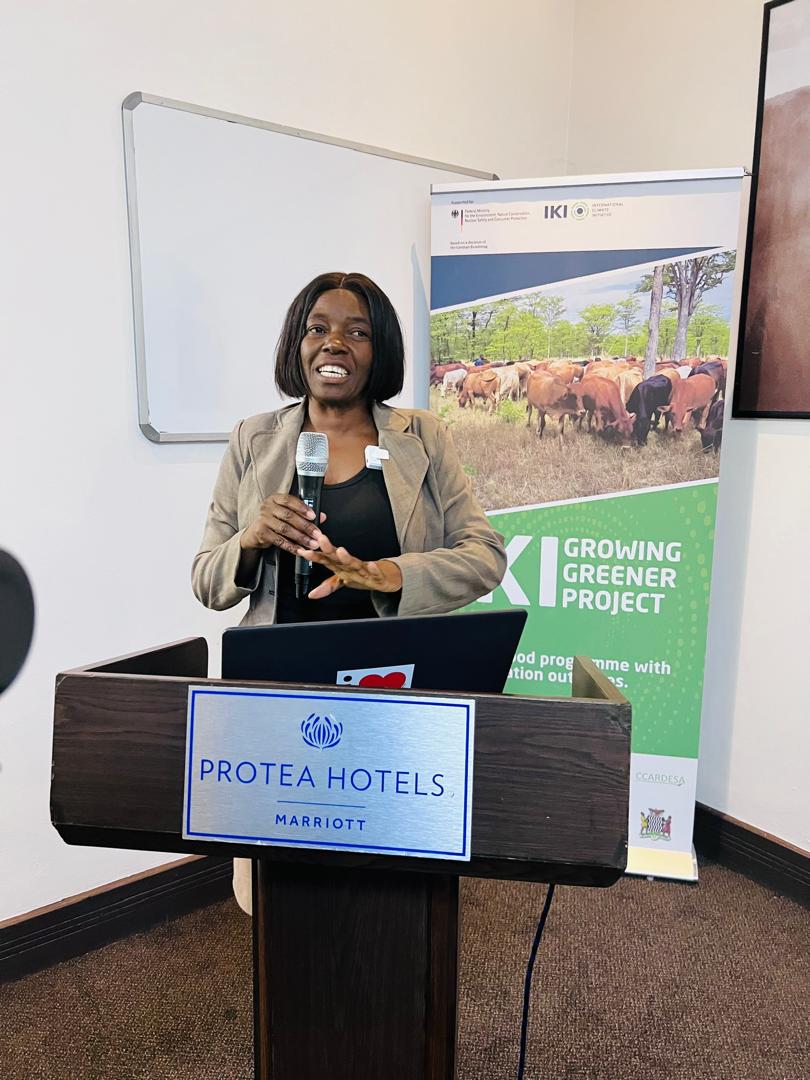
Mr. Kabika Kumoyo, Manager of the H4H Project Implementation, delivered powerful insights into how the Herding for Health model is reshaping landscapes and lives in Simalaha. “Through the H4H approach, we are promoting healthy rangelands, healthy animals, thriving livelihoods, and good governance,” he said. He described progress on the ground, with over 21,000 hectares under improved management and nearly 100 livestock farmers actively participating in rangeland restoration, water security initiatives, fire management, and improved animal health. Kabika emphasized the role of local leadership, stating: “The community drives this model. Our role is to support and scale what’s already working.”
Mr Shah Gabrielse,the Multimedia Coordinator at Peace Parks Foundation, shared how Peace Parks TV (PPF TV) captures real-time, community-driven transformation in Simalaha.“We tell the story from the ground, documenting firebreaks, hand-dug wells, youth engagement, and women leading change,” Shah explained. “Social capital is our engine. Our storytelling is not just about visibility, it’s about connection, ownership, and shared impact.”
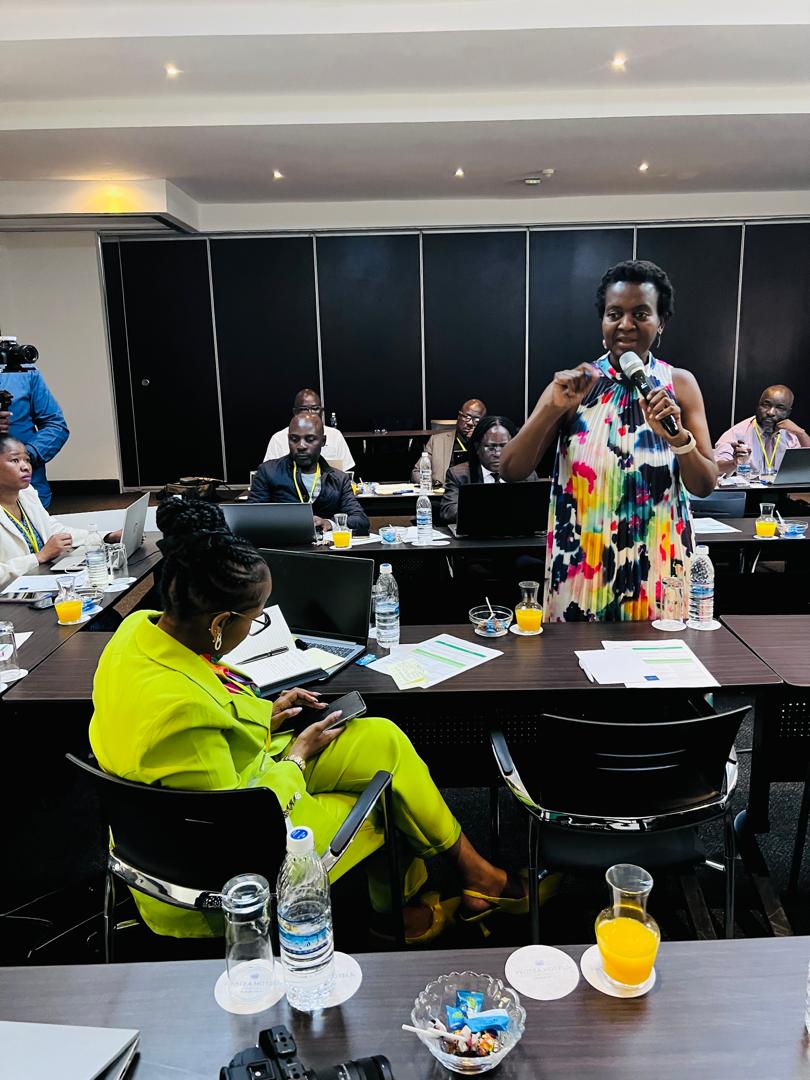
The facilitator, Prof. Hlami Ngwenya, effectively applied Socrates' persuasive communication principles, ethos, pathos, logos, and kairos to teach the media how to share information more convincingly. She explained that ethos is about building credibility, pathos appeals to emotions, logos uses logic and facts, while Kairos emphasizes the right timing and context. Through her engaging and interactive facilitation style, Prof. Ngwenya made these concepts easy to understand and inspired participants to apply them in their storytelling.
The second day of the training saw journalists embark on field visits to the Simalaha Makanga site and the Kasheshe AgriHub, where they witnessed firsthand how communities are restoring degraded lands and innovating for climate-smart agriculture.
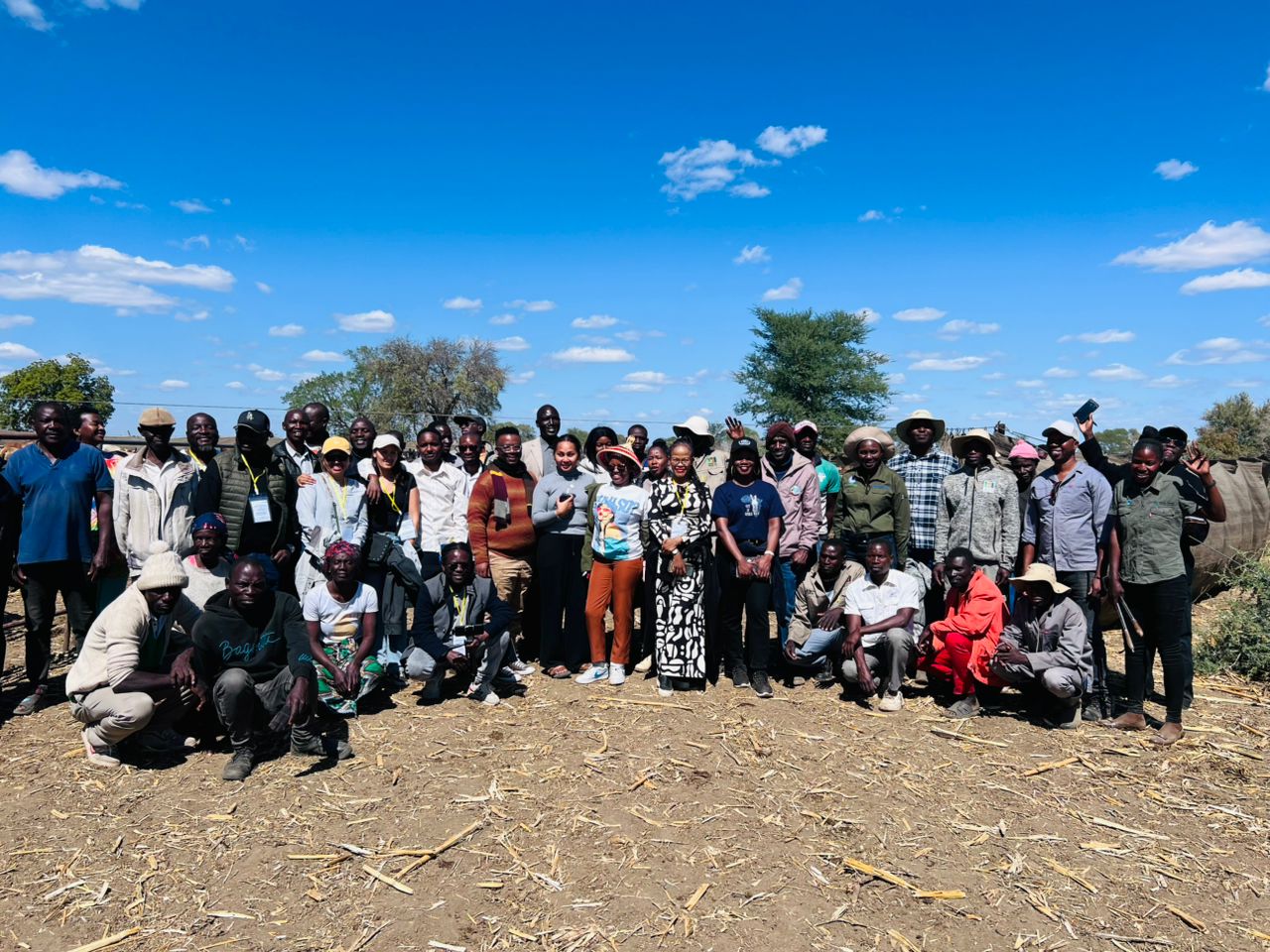
The workshop concluded with a certificate ceremony, where Prof. Dlamini commended the journalists for their dedication and welcomed them as ambassadors for the Herding for Health model and champions of sustainable land management across Southern Africa. “You are now part of the change. Tell the stories, amplify community voices, and drive impact through your platforms,” he urged.
Participants are expected to produce and showcase over 20 original stories, reflecting their enhanced understanding and commitment to environmental storytelling.
The Media Training formed part of the regional initiative “Growing Greener – Restoration and Sustainable Use of Agropastoral Systems in the Open Arid Landscapes of Southern Africa,” commissioned by the German Federal Ministry for the Environment, Nature Conservation, Nuclear Safety and Consumer Protection (BMUV) and funded through the International Climate Initiative (IKI). The project promotes community-led, market-oriented agropastoral land-use systems and is currently being implemented in Botswana, Madagascar, South Africa, and Zambia.
The author is a sub-editor at the Ministry of Lands and Agriculture in Botswana