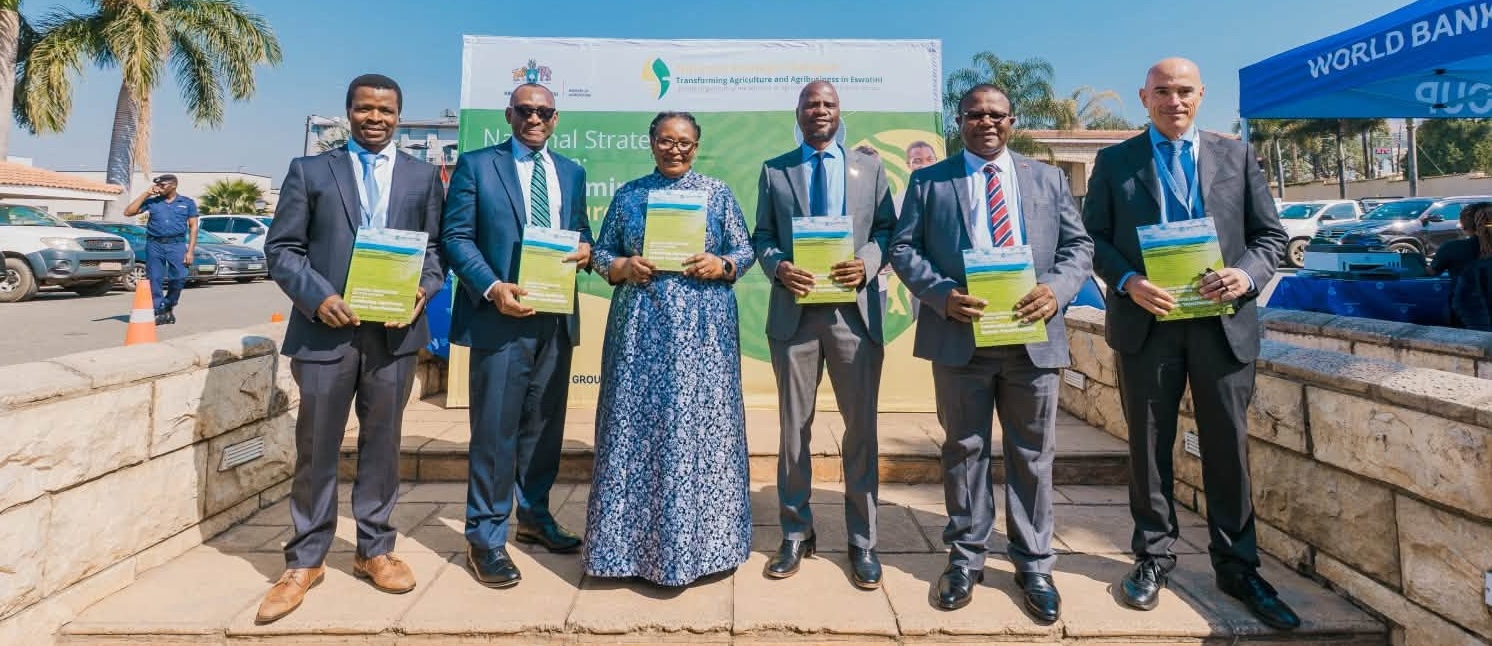

Photos: Eswatini Government
Eswatini has called for practical action, stronger investment and wider adoption of improved, tried and tested solutions and business innovations to transform agriculture into a more productive and resilient sector capable of strengthening food sovereignty, creating jobs and contributing to inclusive economic growth.
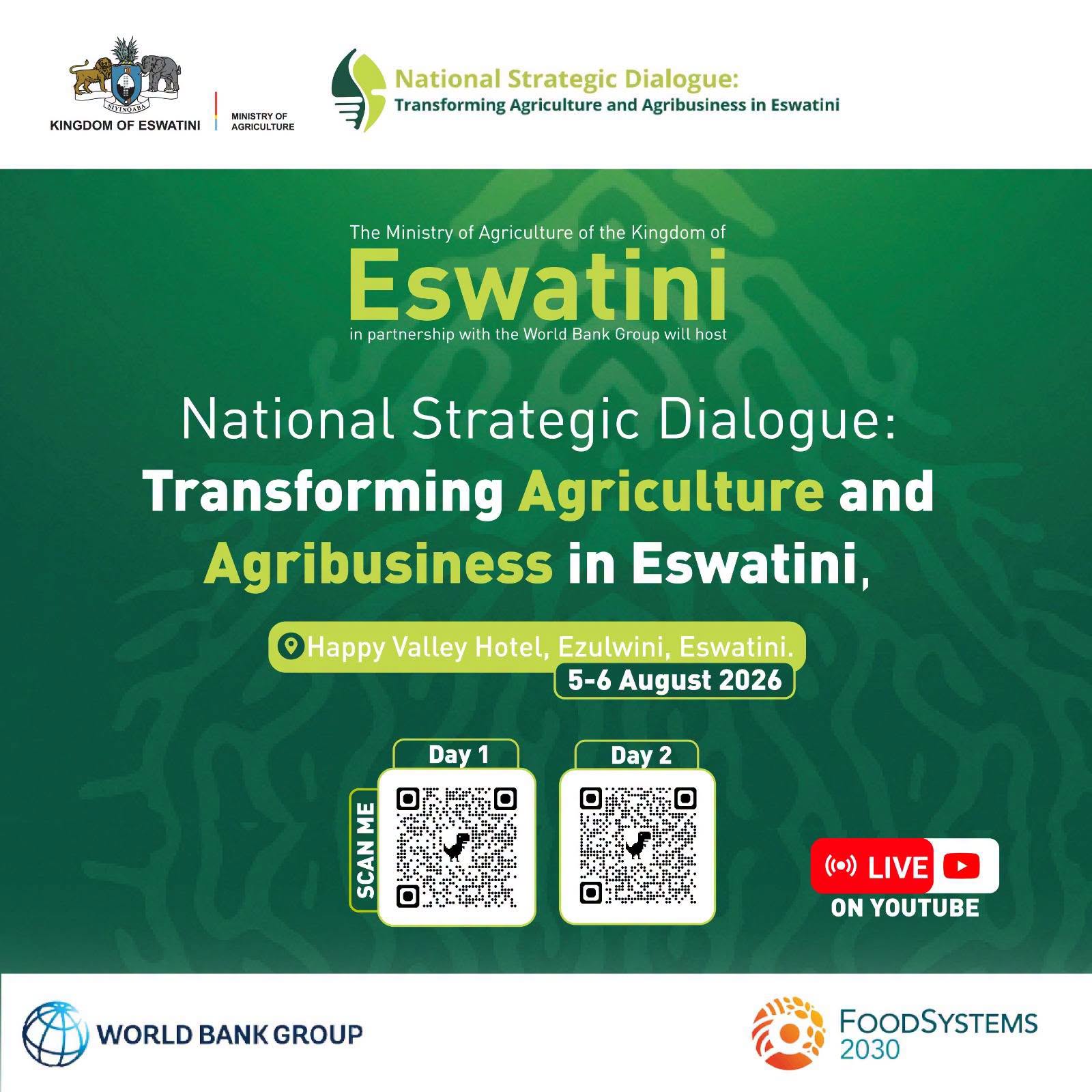
The call emerged from the National Strategic Dialogue on Transforming Agriculture and Agribusiness in Eswatini, hosted by the Ministry of Agriculture in partnership with the World Bank Group on 5 and 6 August 2026 at the Happy Valley Hotel in Ezulwini. The dialogue brought together government officials, farmers, researchers, financial institutions, development partners, private sector actors and agricultural innovators from within and outside Eswatini.
The Centre for Coordination of Agricultural Research and Development for Southern Africa (CCARDESA) participated in the event through the World Bank-supported Food Systems Resilience Programme (FSRP), leading discussions on agricultural resilience, climate smart technologies and digital innovations. Prior to the dialogue, CCARDESA also participated in the committee responsible for the competitive evaluation and selection of agricultural technology solutions and business innovations in mid-July 2026. The short-listed solutions and business innovations were eventually showcased during the two-day dialogue.
The dialogue was officially opened by the Acting Prime Minister, Her Excellency Thulisile Dladla who in the same event, also officially launched the Eswatini Agriculture Sector Review report. This is a strategic document compiled with support from the World Bank that aims to guide national priorities for transforming agri-food systems towards achieving sustainable progress despite constrained public resources.
 | 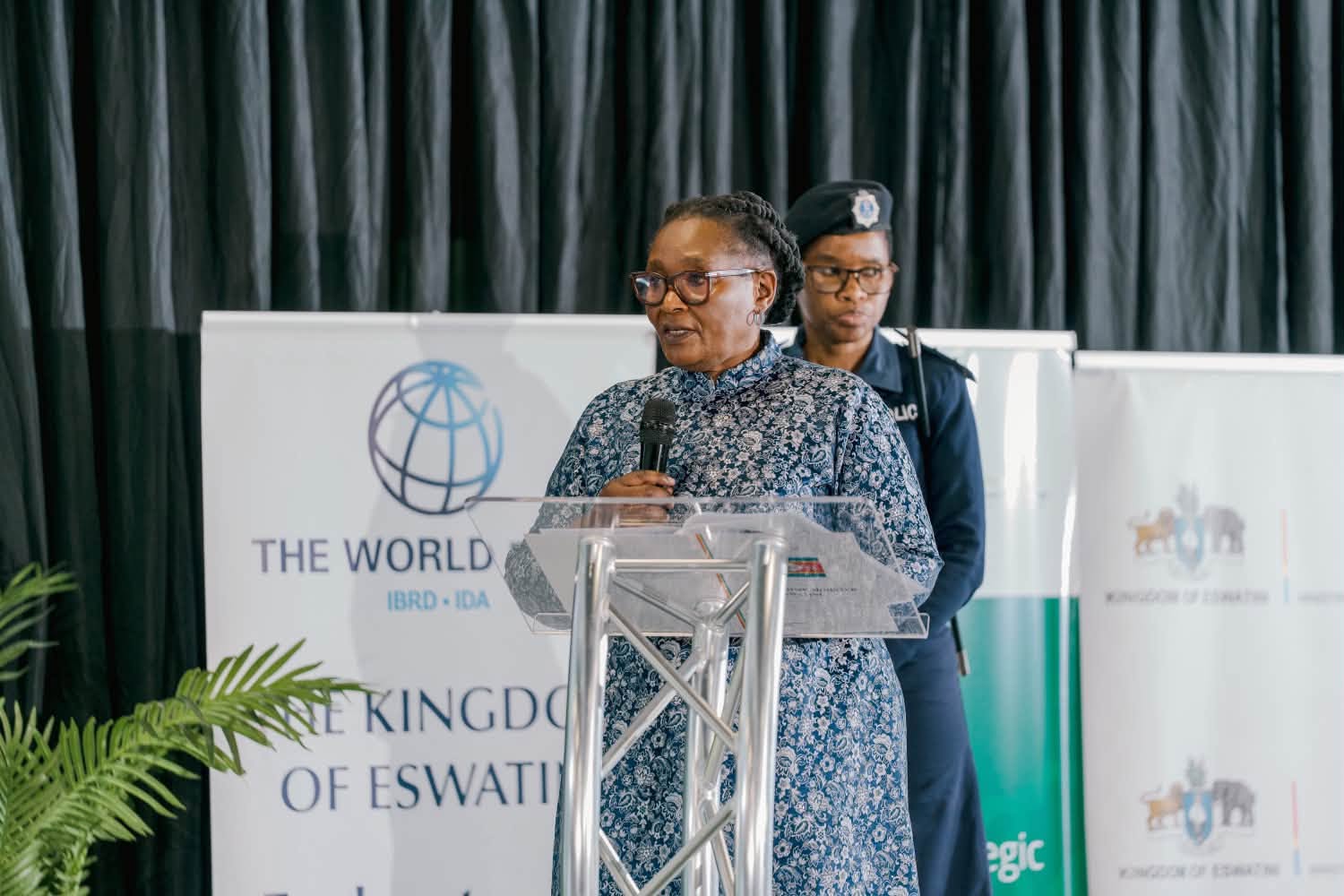 |  |
The Acting Prime Minister commended the Ministry of Agriculture and the World Bank Group for organising the dialogue and reaffirmed Government's commitment to creating an enabling environment for agricultural investment.
She also recognised farmers for continuing to produce food under increasingly difficult conditions and pledged continued Government support to improve extension services, strengthen farmer organisations, increase productivity and expand market access.
“To our farmers, I express Government's deepest appreciation for your resilience and unwavering commitment to feeding our nation under increasingly difficult circumstances,” she said.
The Acting Prime Minister challenged delegates to ensure that the dialogue translates into tangible results.
“The discussions over the next two days must not end as recommendations on paper. They must produce practical actions and measurable commitments,” she said.
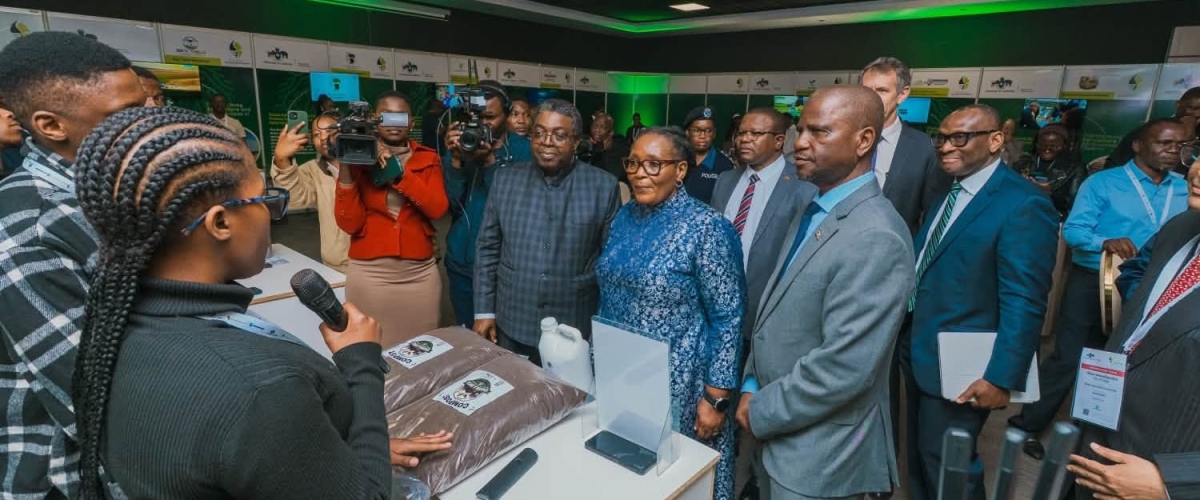
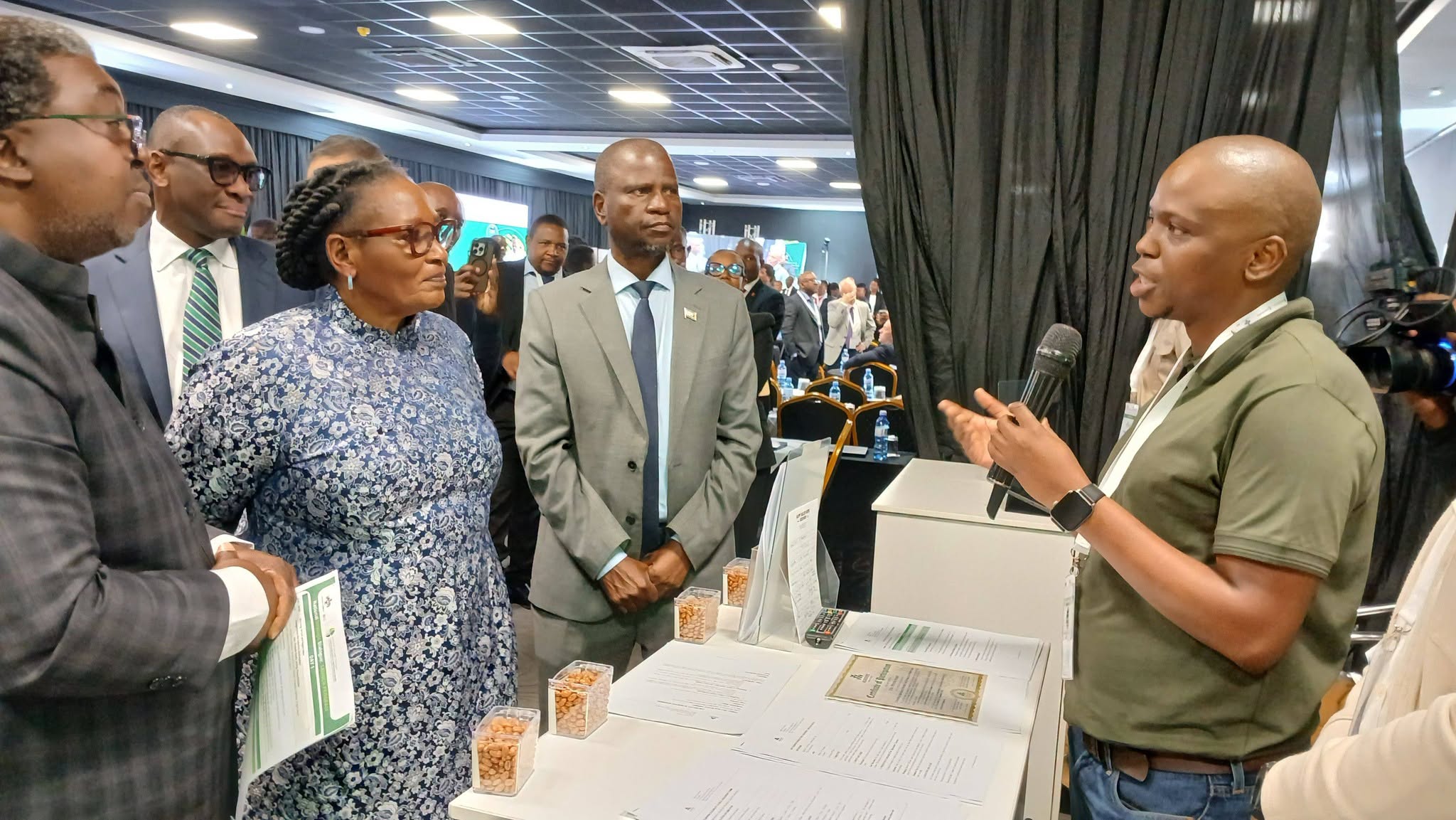
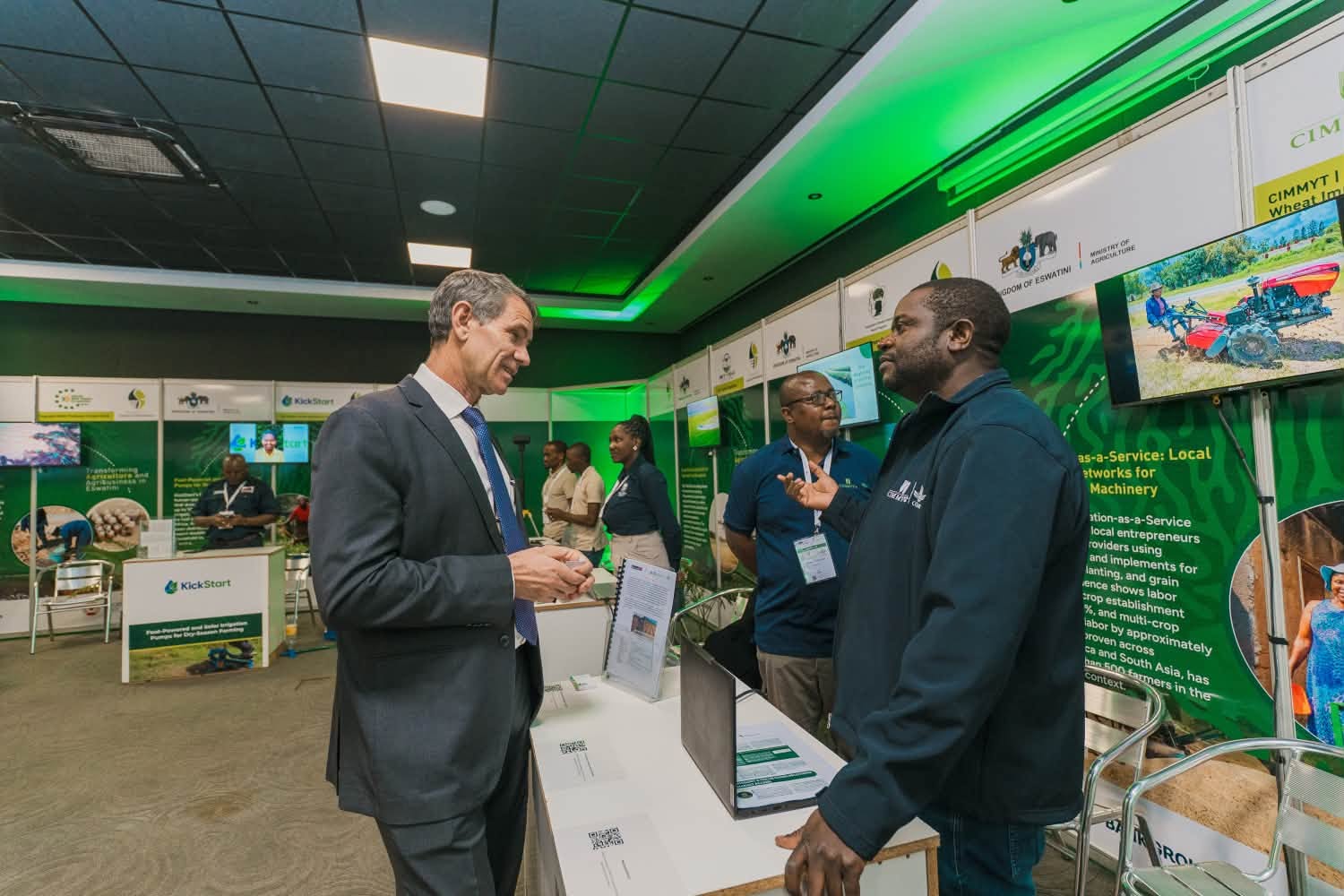
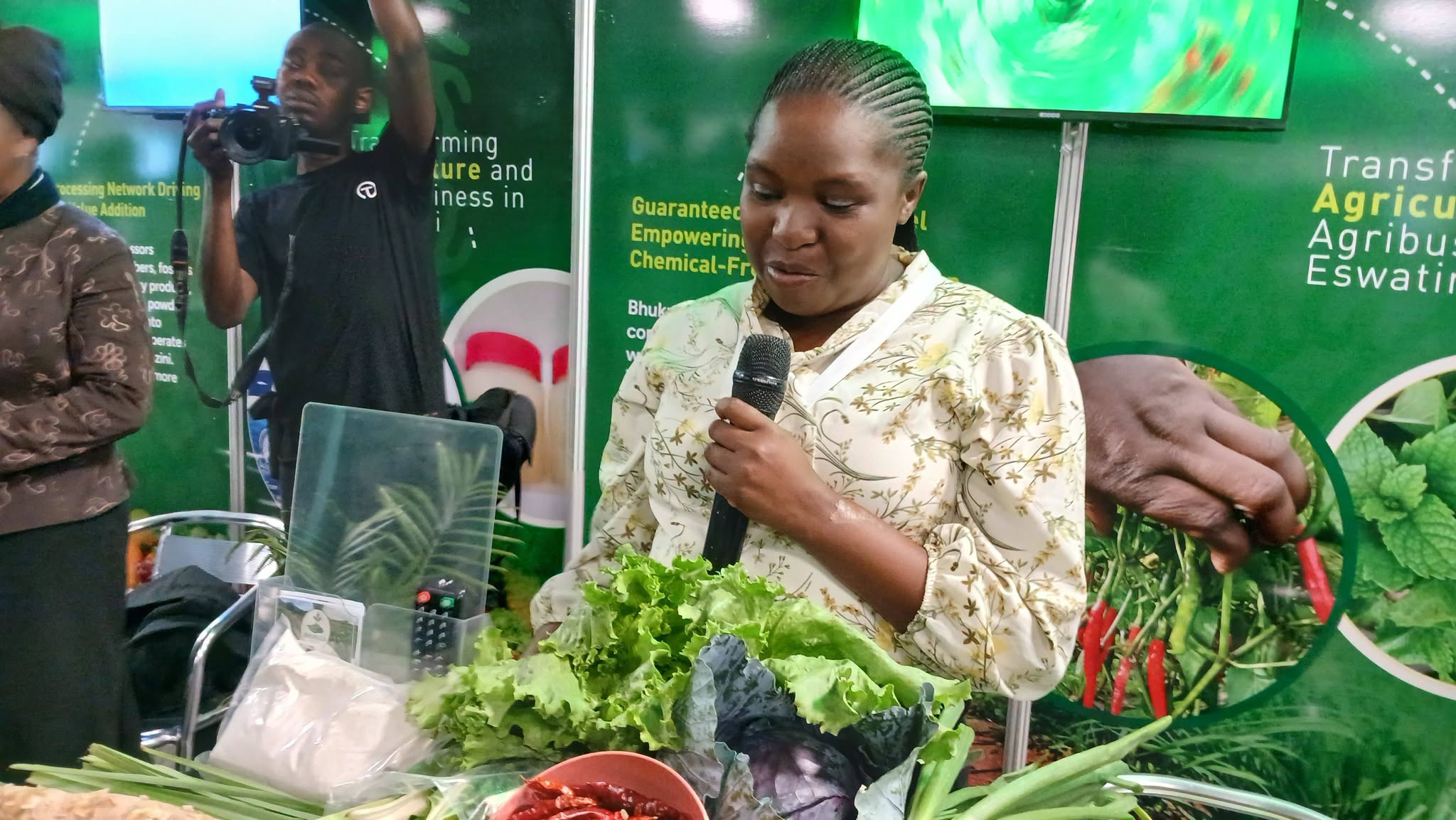
Following the launch, the Acting Prime Minister and her delegation toured the Solutions Marketplace, where innovators showcased agricultural technologies, services and locally developed solutions. The marketplace remained an important feature throughout the dialogue, connecting policy discussions with practical innovations that could respond to challenges facing farmers.
 |  |  |
The Honourable Minister for Finance, Neal Rijkenberg, reinforced the Government's commitment to building a competitive, resilient and investment ready agricultural sector. He highlighted innovation, digital agriculture and climate-smart solutions as important for strengthening food security, increasing productivity, improving market access and supporting inclusive economic growth.
He also acknowledged the partnership between the Government of Eswatini, the World Bank Group and other development partners, while encouraging farmers, researchers, innovators and agribusiness leaders to use the Solutions Marketplace to demonstrate locally developed solutions with potential to contribute to national development.
Eswatini Commits to Agricultural Transformation
The Minister of Agriculture, Hon. Mandla Tshawuka called for a shift from subsistence farming towards a commercially competitive, climate resilient and technology driven agricultural sector that creates jobs, particularly for young people, and increases farmer incomes.
“We want agriculture to create decent jobs for our youth, generate wealth for farmers, improve household incomes and contribute significantly to national economic growth,” Tshawuka said.
He stressed that the Agriculture Sector Review should serve as a practical roadmap for addressing constraints and attracting investment, with particular attention to grains, livestock and horticulture, alongside climate smart technologies, digital agriculture and improved access to finance.
At the close of the Dialogue, stakeholders emphasised moving from recommendations to implementation. Key priorities included strengthening extension services and farmer organisations, improving productivity and market access, expanding private sector investment, and building stronger partnerships to accelerate Eswatini’s resilient agricultural transformation.