Global leaders from government, business, civil society and international organisations are convening from 19–23 January 2026 in Davos, Switzerland, for the World Economic Forum (WEF) Annual Meeting, reaffirming the Forum’s role as a critical platform for shaping collective responses to today’s interconnected global challenges. Held under the theme “A Spirit of Dialogue,” the meeting takes place against a backdrop of intensifying climate stress, economic uncertainty and mounting pressure on global food systems.
Since its establishment in 1971, the World Economic Forum has brought together public and private sector leaders to foster cooperation on systemic risks and long-term development pathways. In 2026, food systems resilience has emerged as a unifying concern across the WEF agenda, reflecting its deep links to climate action, economic transformation, technological innovation and social stability.
Food Systems at the Centre of Climate and Economic Resilience
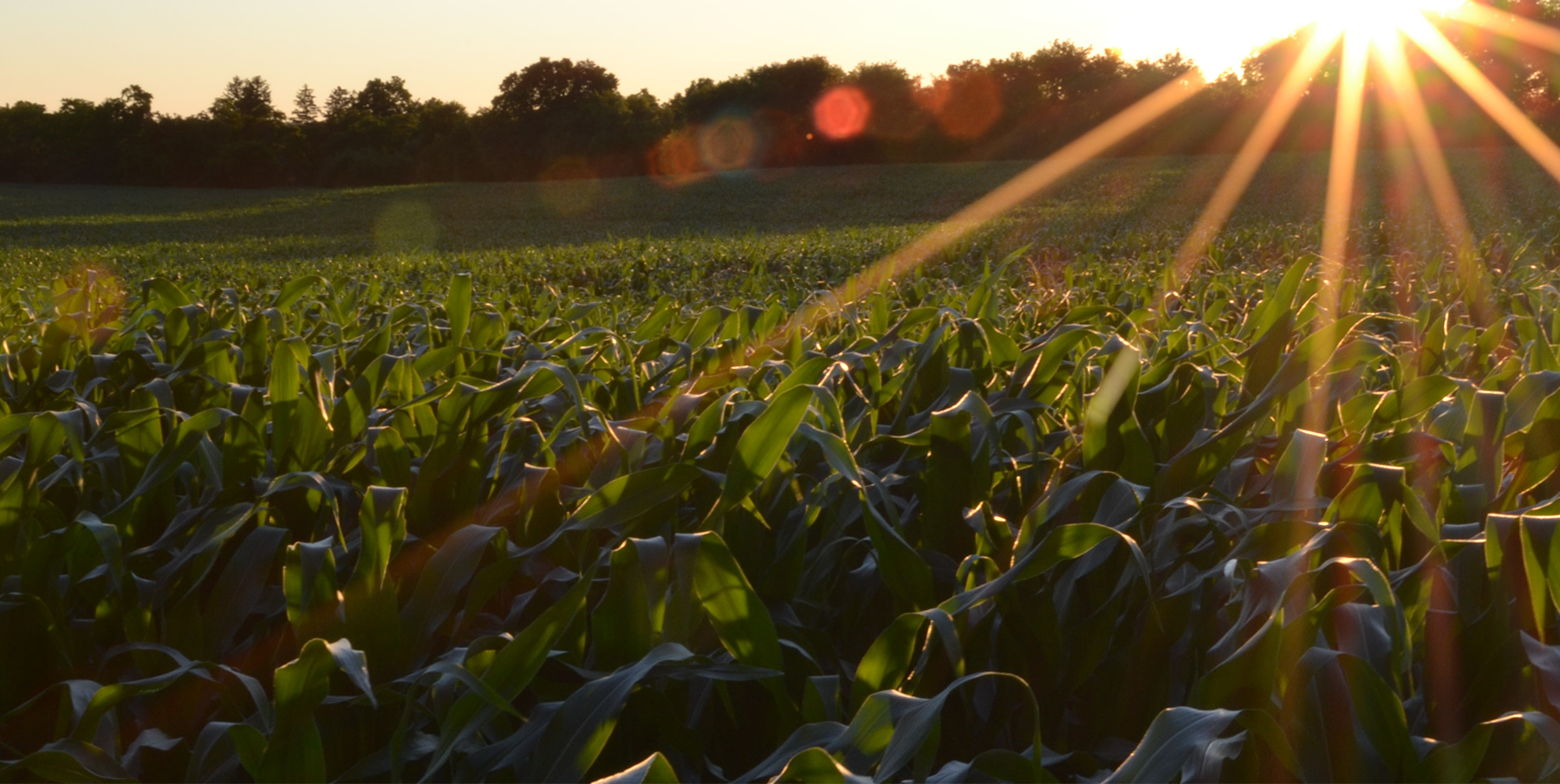
Discussions in Davos are increasingly underscoring the critical role of agriculture and food systems in addressing climate shocks, supply chain disruptions and rising food insecurity. Participants are examining how coordinated global and regional action can strengthen resilience across agri-food value chains while supporting livelihoods, particularly in climate-vulnerable regions.
Key WEF focus areas, including climate and nature, economic growth, innovation and inclusion, intersect directly with agriculture. Dialogues are exploring opportunities to scale climate-smart agriculture, unlock public and private financing for adaptation, strengthen regional and global markets, and deploy digital technologies that enhance productivity and resilience, especially for smallholder farmers.
From COP30 in Brazil to Davos 2026: Sustaining Momentum
The conversations in Davos build on the momentum from COP30 in Belém, Brazil, where food systems and agriculture featured more prominently in global climate negotiations. COP30 reinforced the understanding that food production, land use, biodiversity and climate resilience are deeply interconnected, and that transforming food systems is essential to achieving global climate and development goals.
While COP30 highlighted persistent challenges, particularly around climate finance and implementation, it also helped position food systems as a strategic pillar of climate action. This framing is now shaping discussions at Davos, where attention is shifting from high-level commitments towards practical pathways for investment, innovation and delivery at scale.
Southern Africa: Regional Action and Global Alignment
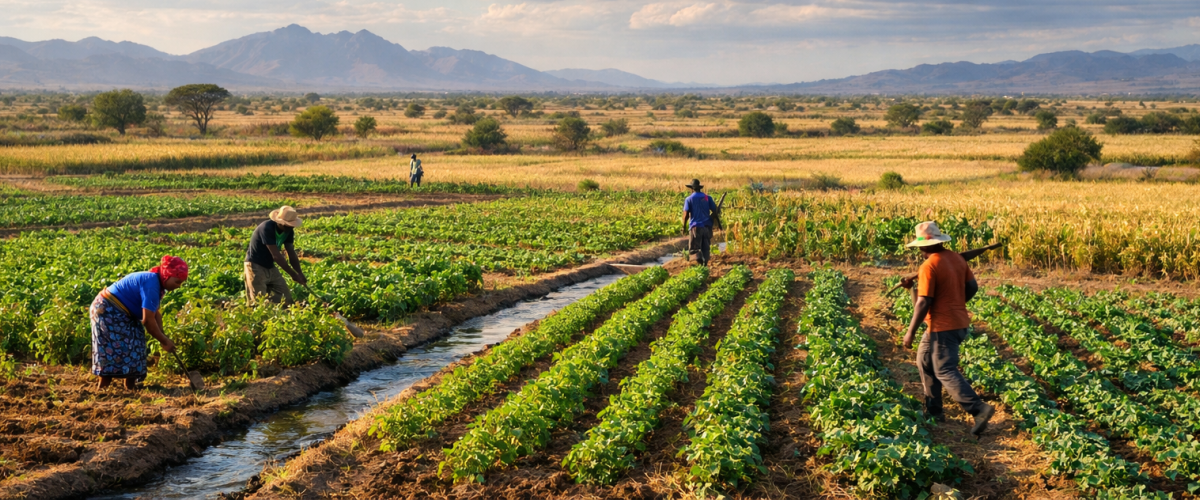
For Southern Africa, where climate variability, food insecurity and economic vulnerability often intersect, the outcomes of Davos WEF 2026 are particularly relevant. The region’s priorities align closely with global discussions on resilience, adaptation and inclusive growth.
In this context, the Centre for Coordination of Agricultural Research and Development for Southern Africa (CCARDESA) plays a central role as the regional body implementing the Food Systems Resilience Programme (FSRP) across the Southern African Development Community (SADC) region. The World Bank-funded FSRP seeks to strengthen the region’s capacity to withstand climate shocks, with a Project Development Objective (PDO) focused on increasing preparedness against food insecurity and improving the resilience of food systems in targeted countries.
The emphasis at Davos on climate-resilient agriculture, innovation, regional collaboration and sustainable financing closely mirrors FSRP’s objectives. It also reinforces the importance of aligning global policy dialogue and investment flows with regional initiatives that support climate-smart production systems, sustainable natural resource management and inclusive agri-food value chains.
As the World Economic Forum 2026 Annual Meeting unfolds, the outcomes of these discussions are expected to shape the next wave of global investment in agriculture, influencing how resources are mobilised toward resilience, sustainability and inclusive growth. The challenge ahead lies in translating global dialogue, from COP30 into coordinated action that delivers tangible benefits on the ground, including for farmers, institutions and food systems across Southern Africa and beyond.