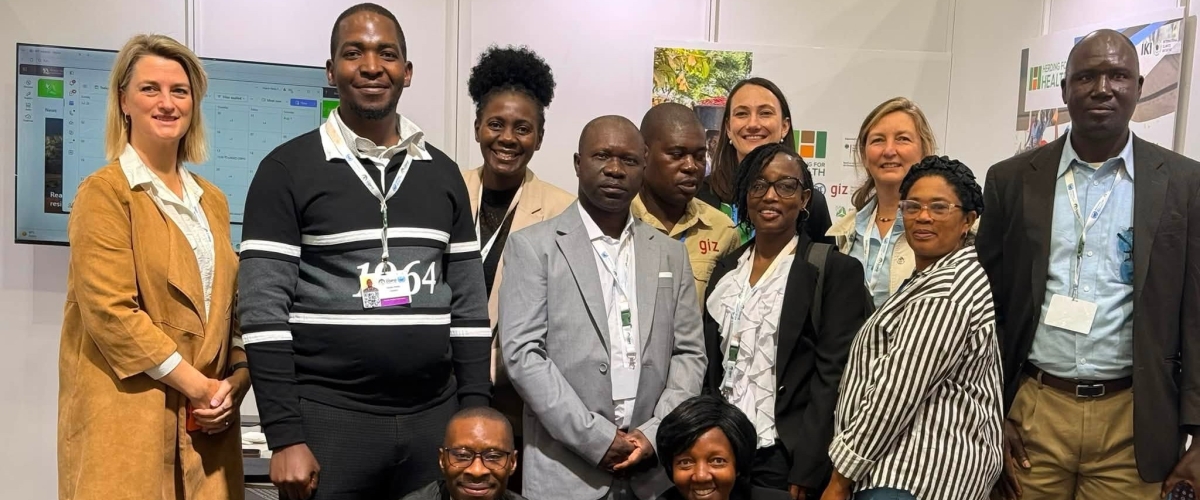
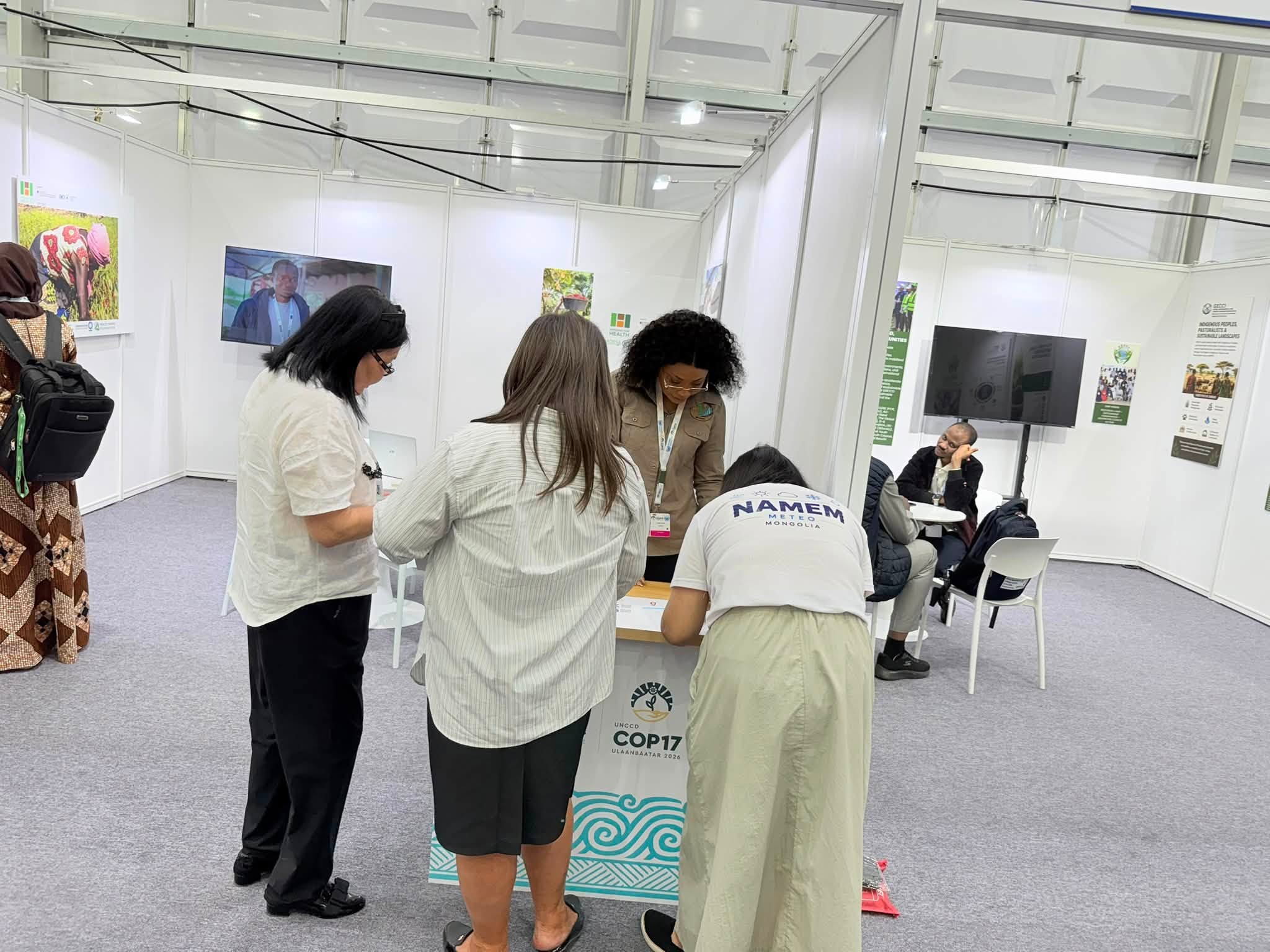
The IKI Growing Greener Consortium is using its joint exhibition booth at the 17th Conference of the Parties to the United Nations Convention to Combat Desertification (UNCCD COP17) in Ulaanbaatar, Mongolia, to showcase Southern Africa’s experience in sustainable rangeland management. The conference runs with the theme Restoring land, Restoring Hope.
Coordinated by the Center for Coordination of Agricultural Research and Development for Southern Africa (CCARDESA), the joint SADC–IKI Growing Greener booth brings together representatives from GIZ, Peace Parks Foundation, Conservation South Africa, participating governments, traditional leaders, pastoralists, farmers, and program managers.
The booth provides a platform for visitors to learn about Herding for Health, a community-centered approach that connects the restoration of degraded rangelands with improved livestock management and resilient rural livelihoods. The model combines planned grazing, improved herding, animal-health support, inclusive community governance, and livelihood development.
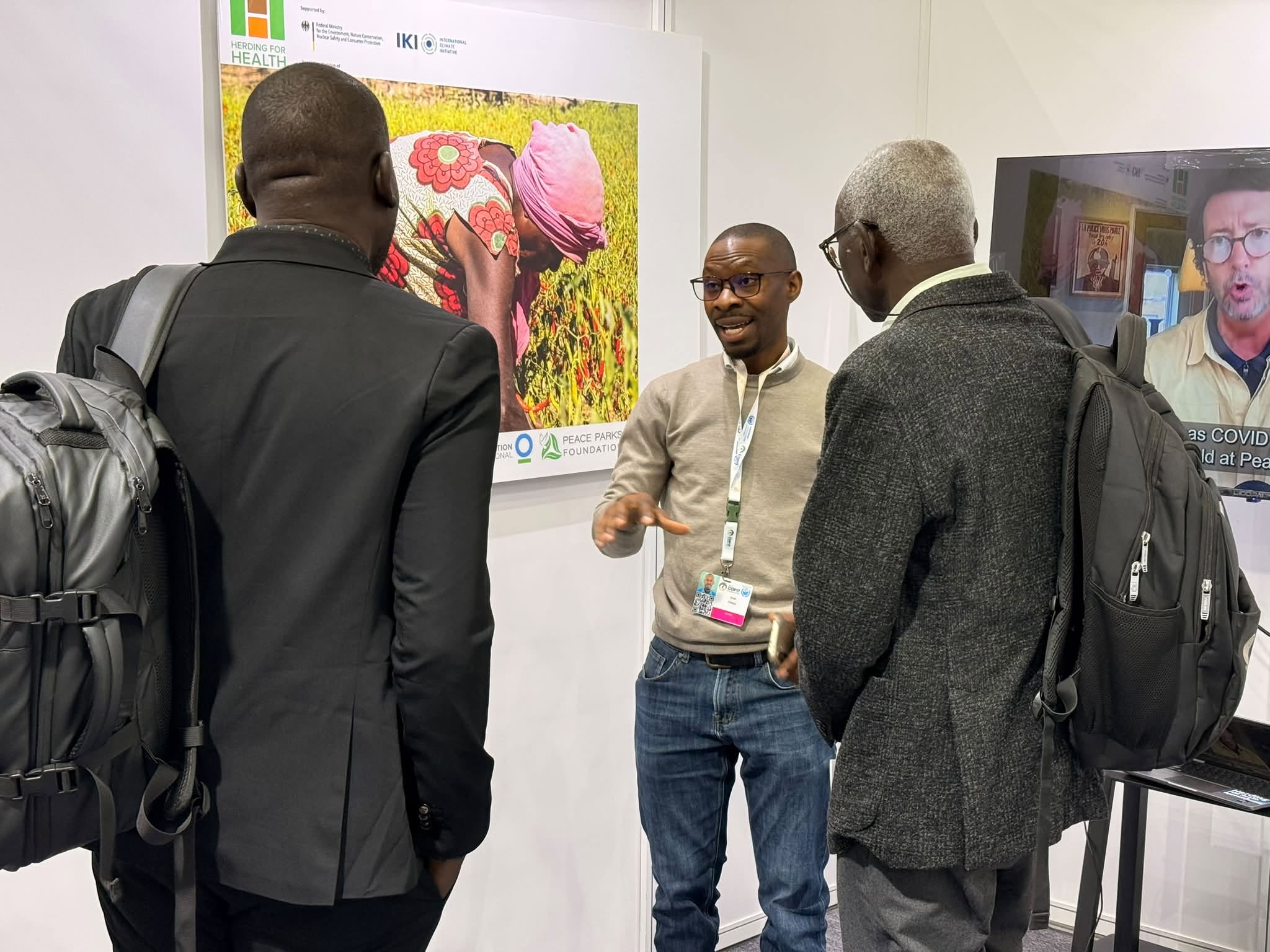
Through discussions, demonstrations and knowledge materials, consortium representatives are showing that rangeland restoration is not a single activity. It requires communities to manage livestock movement, allow overused grazing areas to recover, and collectively protect shared resources such as land and water. Traditional leaders, pastoralists, and farmers participating in the booth program are sharing their practical experiences of managing livestock and rangelands. Their participation reinforces the principle that communities should not be treated merely as beneficiaries of restoration programs.
Pastoralists have valuable knowledge of rainfall patterns, grazing areas, water availability, livestock condition, and landscape changes. Traditional leaders also play an important role in mobilizing communities, resolving conflicts, and supporting collective decisions on grazing and natural-resource management.
Herding for Health brings this knowledge together with scientific evidence and technical support. The model recognizes communities as rights holders, knowledge holders, land custodians and implementation partners. The booth also highlights the importance of creating meaningful opportunities for women and young people to participate in rangeland governance, livestock enterprises, and restoration activities.
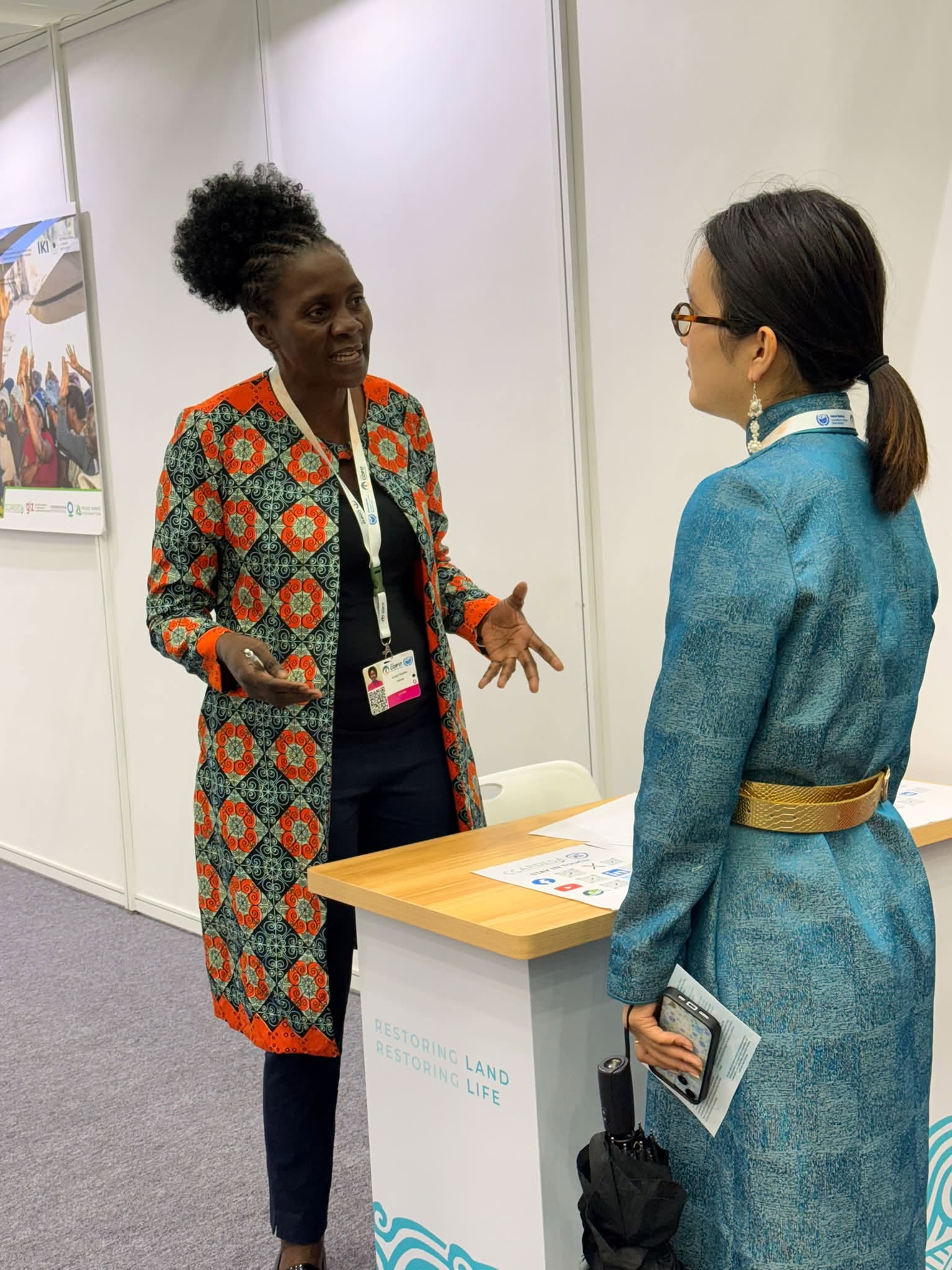
One particularly encouraging engagement involved Ms Munkhjin Sansar, a young person from Mongolia implementing an initiative with elements similar to the Herding for Health model. She explained that her community had been struggling to resolve a livestock and rangeland-management challenge. After learning about Herding for Health and exchanging ideas with consortium representatives, she said her visit to the booth helped her “crack the code” on how to address the challenge. Her experience demonstrated the importance of creating spaces where young people can learn from practical models, adapt ideas to their local circumstances, and contribute to sustainable rangeland management.
A group of young visitors from the Voices of the Desert also expressed interest in signing a memorandum of understanding with the consortium to promote South–South collaboration. Such cooperation could provide opportunities for young people and organizations from different countries and regions to exchange knowledge, share practical experiences, and jointly develop solutions for sustainable livestock production and rangeland restoration.
Professor Tom Xu, a renewable energy expert from China, also visited the booth and expressed strong appreciation for the work being implemented through the IKI Growing Greener Program. During his engagement with consortium representatives, Professor Xu proposed integrating solar energy into the programme’s approaches to enhance water access through renewable-energy solutions. The proposal highlighted the potential to connect rangeland restoration with clean energy and water security. Solar-powered water systems could be particularly valuable in remote pastoral areas, where communities and livestock may travel considerable distances to reach reliable water sources. However, water infrastructure must be carefully planned together with grazing management to avoid concentrating livestock in particular areas and creating additional pressure on surrounding rangelands.
A delegate from India commended the programme for the amount and range of work being undertaken to restore degraded rangelands. The delegate’s response demonstrated the program’s wider relevance beyond Southern Africa. Although rangeland conditions differ among countries, pastoral communities face many shared challenges, including land degradation, climate change, water scarcity and limited access to services and markets.
COP17 therefore provides an important platform for countries and regions to exchange solutions and adapt successful approaches to their own environmental and social circumstances.
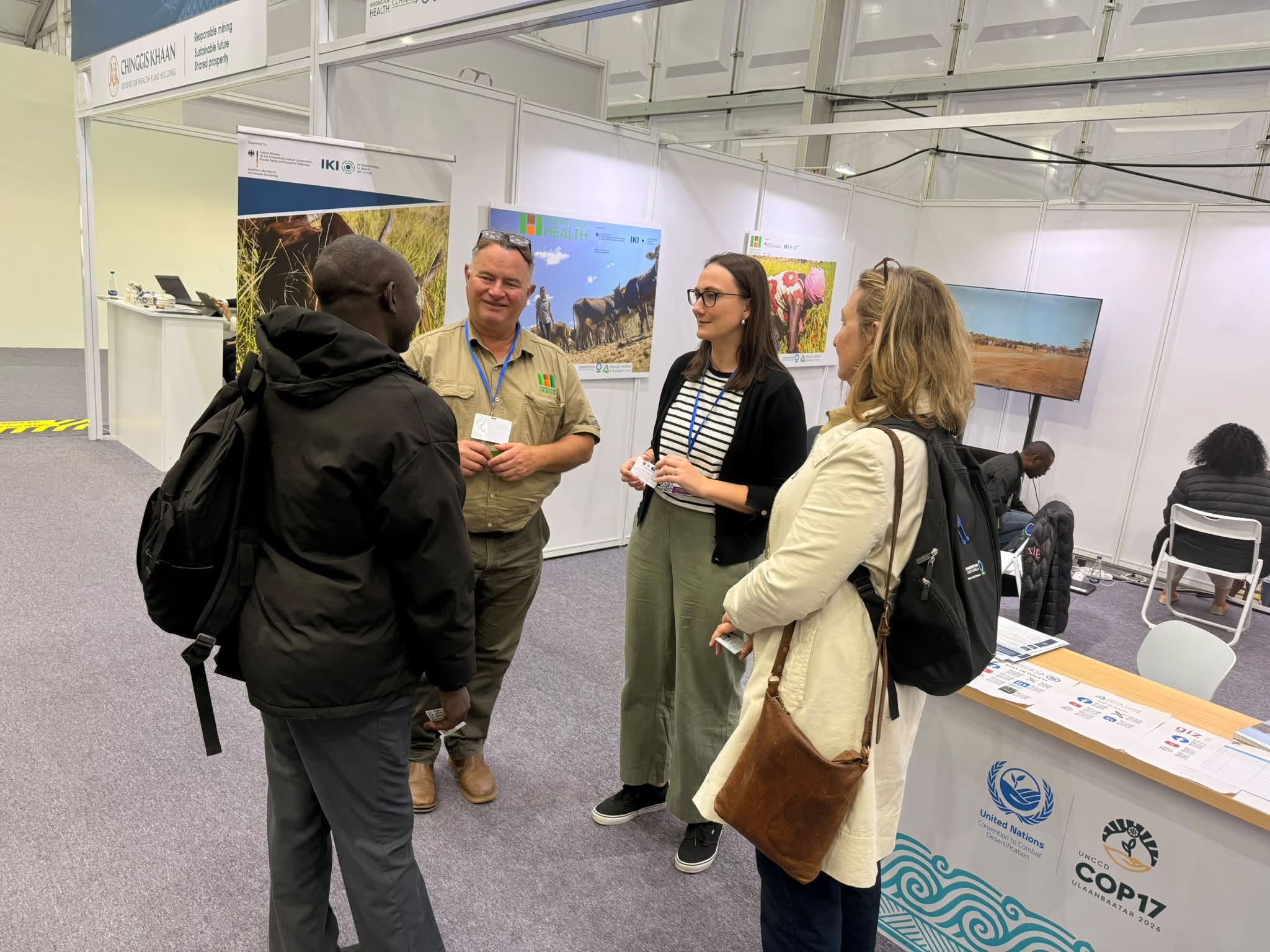
The booth has also created opportunities for bilateral discussions and partnership building.
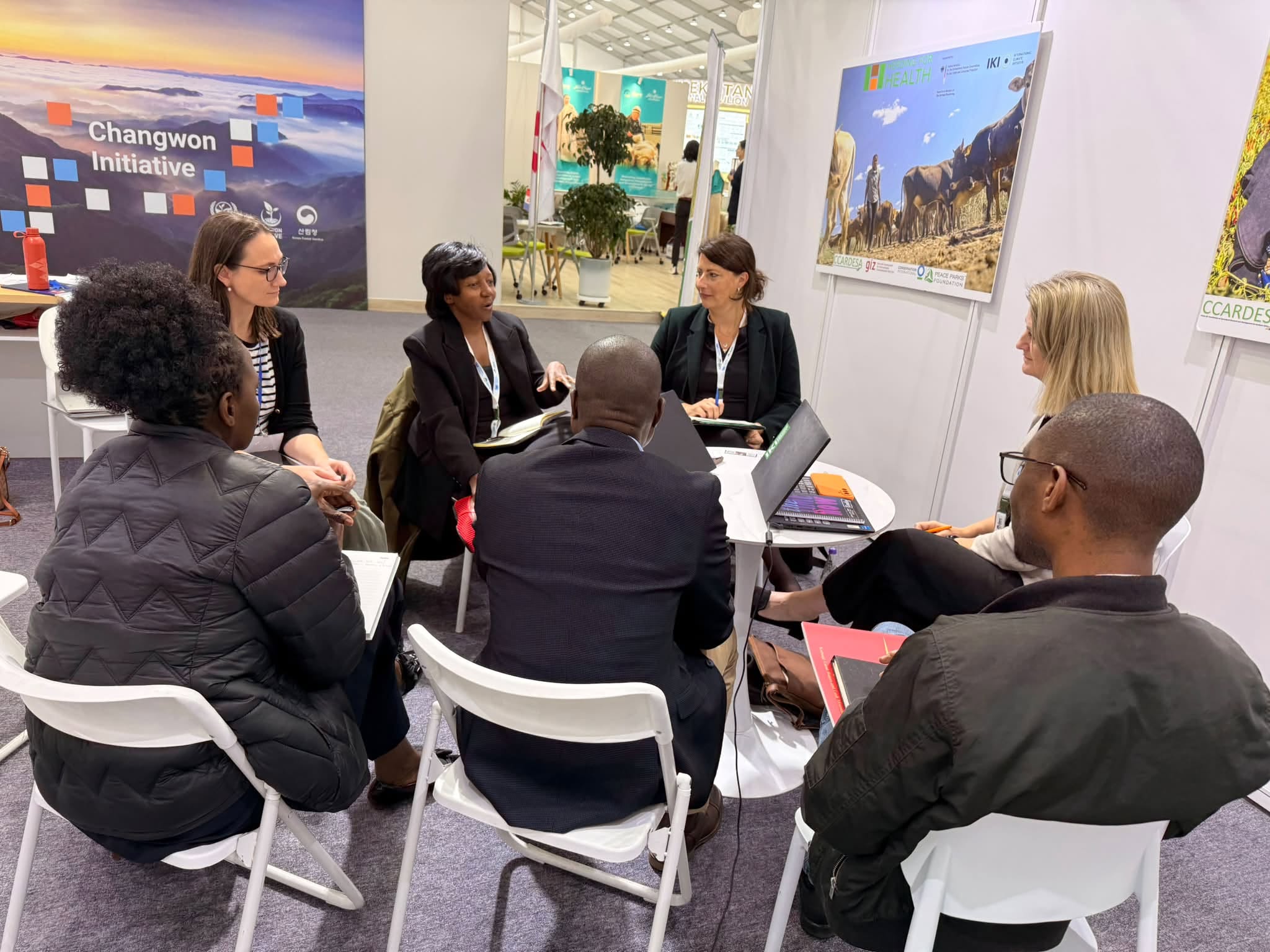
Ms Mara Hinrichs, Policy Adviser for Climate Policy in the Land Sector Division of the German Federal Ministry for the Environment, Climate Action, Nature Conservation and Nuclear Safety, visited the booth for a bilateral engagement with consortium representatives. The discussions covered the program’s current activities, future plans, opportunities for developing new programs, and ways to strengthen collaboration among partners. These engagements demonstrate that the booth is serving not only as an exhibition space but also as a meeting point for generating ideas, exchanging knowledge, and developing new partnerships.
The consortium is using COP17 to emphasize that projects alone cannot achieve rangeland restoration at the required scale. Practical approaches such as Herding for Health must be supported by enabling policies, capable institutions and sustained investment. Sustainable rangeland management cuts across agriculture, livestock, water, climate adaptation, biodiversity, land administration and local government. Greater coordination among these sectors is needed to ensure that restoration policies lead to measurable changes on the ground.
As COP17 continues, the consortium is engaging policymakers, development partners, researchers and financial institutions on opportunities to expand Herding for Health. The central message from the booth is that healthy rangelands cannot be achieved without investing in the people and systems that manage them. Communities need supportive policies, water infrastructure, animal-health services, extension support, market opportunities and long-term partnerships. Scaling the approach will also require accessible, sustained financing that combines public investment, development funding, and private-sector participation. Patient and blended finance can help communities undertake long-term restoration, strengthen livestock value chains and develop bankable initiatives that deliver measurable benefits for people, nature and the climate.
The IKI Growing Greener Program is funded by the German Federal Ministry for the Environment, Climate Action, Nature Conservation and Nuclear Safety through the International Climate Initiative.