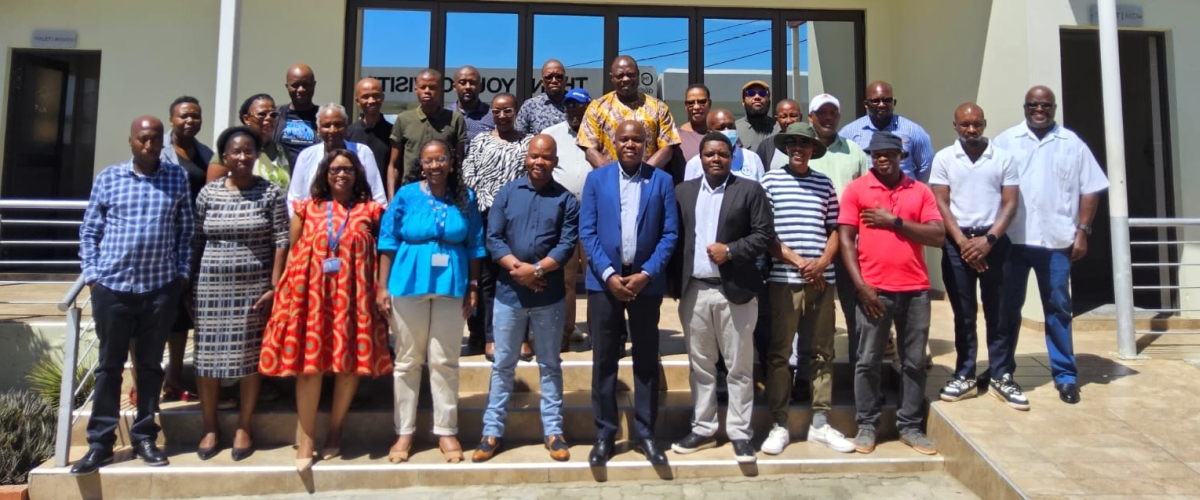
The Government of the Mountain Kingdom of Lesotho convened a national stakeholder engagement in Berea on 19 February 2026 to advance the domestication of continental and regional commitments on soil health and fertilizer management, as part of ongoing efforts to strengthen agricultural productivity, food security and climate resilience.
The workshop, facilitated by the Ministry of Agriculture, Food Security and Nutrition (MAFSN) with technical support from the Centre for Coordination of Agricultural Research and Development for Southern Africa (CCARDESA), FAO and Catholic Relief Services, focused on aligning national institutions and policy frameworks with the Nairobi Declaration, the Africa Fertilizer and Soil Health Action Plan (2024–2034), the SADC Soil Health and Fertilizer Hub and CAADP commitments.
The engagement forms part of the broader SADC Soil Health and Fertilizer Regional Hub framework, which supports Member States in translating continental resolutions into coordinated national systems. In Lesotho, the process is intended to lay the foundation for establishing a National Soil Health and Fertilizer (SHF) Hub to coordinate soil health management, fertilizer efficiency, agroecological rezoning, digital soil mapping, and data-driven agricultural decision-making.
Opening the session, the Director of Agricultural Research, Dr. Lefulesele Lebesa, underscored the role of soil health in supporting food security, reducing poverty, and promoting environmental sustainability. She noted that improving soil fertility and strengthening fertilizer systems are essential to reversing land degradation and building resilient agricultural systems.
The workshop brought together representatives from key government ministries, research institutions, academia, development partners, civil society, and farmer organizations. Discussions centred on translating regional and continental commitments into practical national policies, institutional arrangements, and investment priorities.
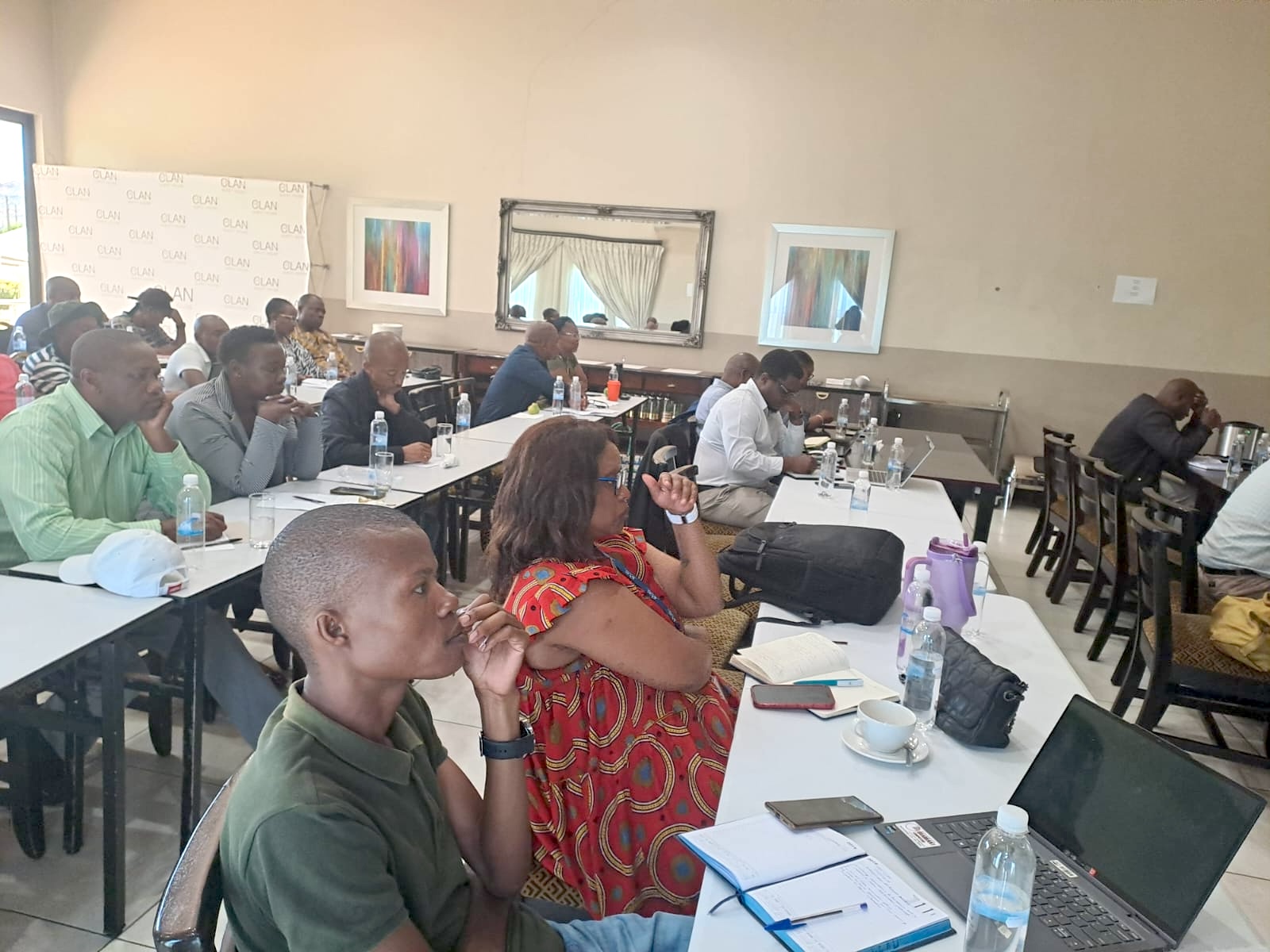 | 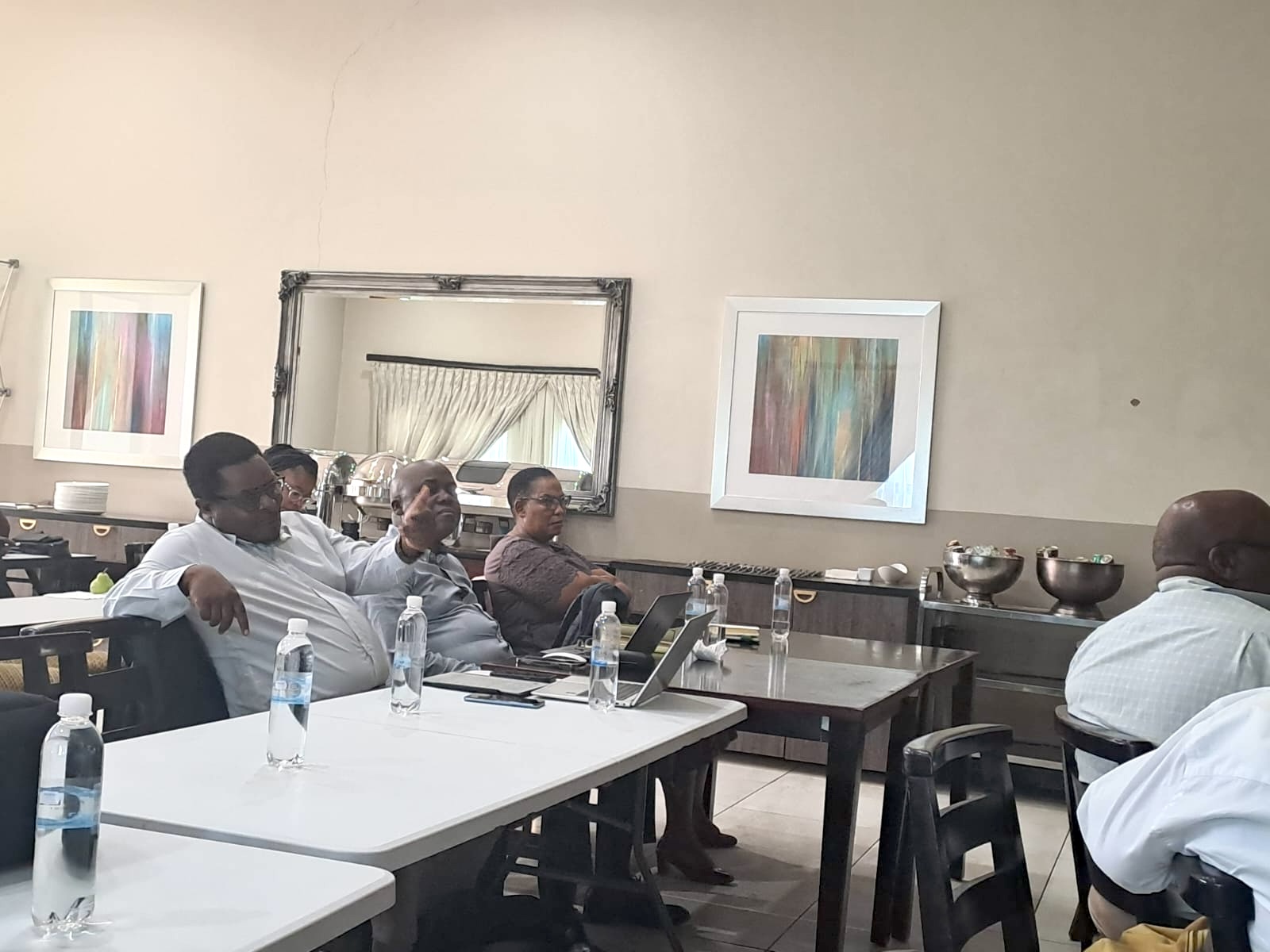 | 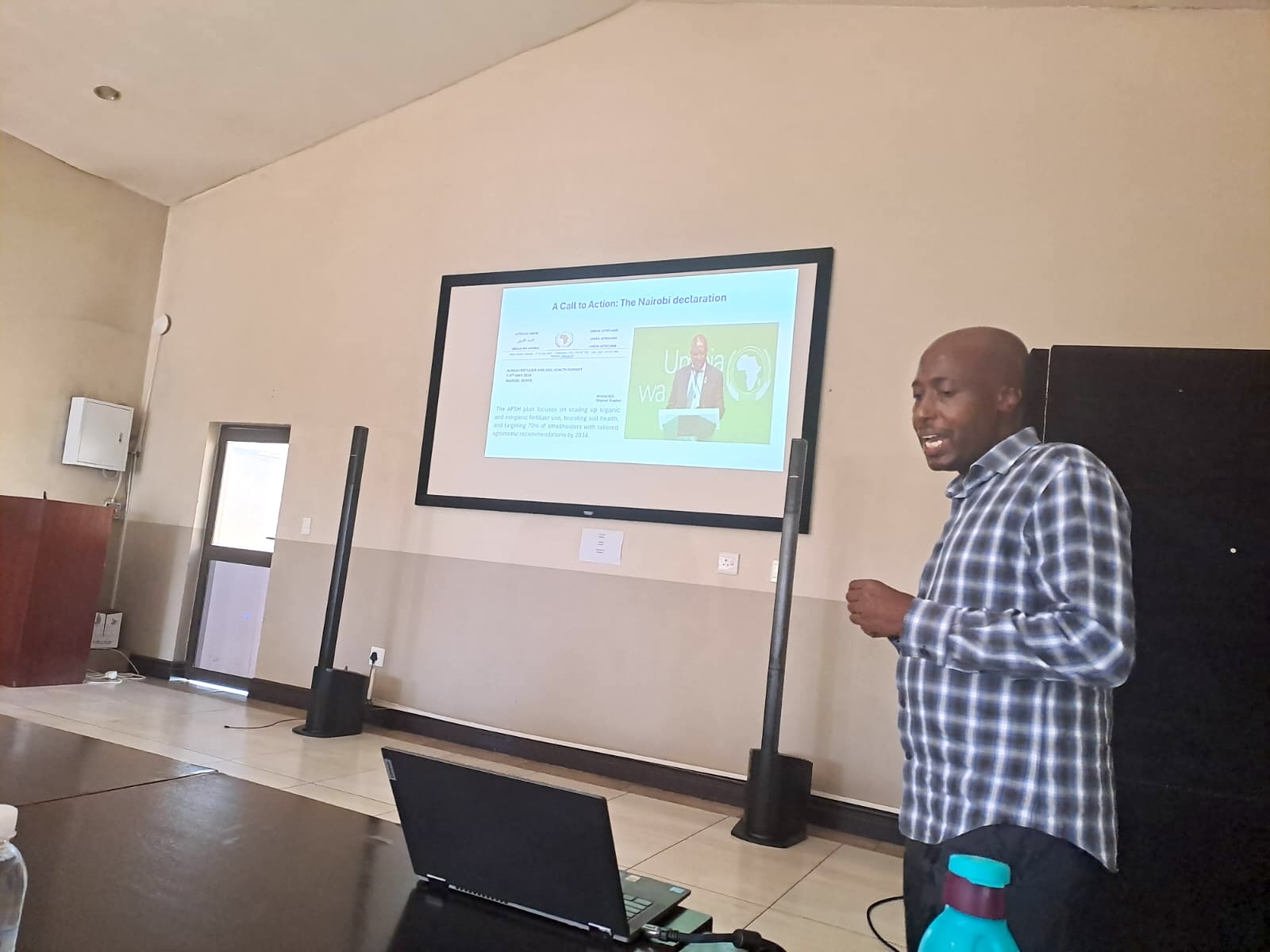 |
Technical sessions highlighted the need to review and update agroecological zones, strengthen soil testing services, upgrade the Lesotho Soil Information System (LESIS), and harmonize fertilizer regulations with regional standards. Participants also emphasized the importance of strengthening digital soil information systems, laboratory capacity, and decision-support tools to generate site-specific fertilizer recommendations for farmers.
Stakeholder mapping exercises clarified institutional roles, with MAFSN identified as the lead anchor for policy formulation, programme implementation and extension coordination. The Ministry of Environment and Forestry was recognized for its responsibility over soil information systems and conservation policy, while other ministries were encouraged to integrate soil health priorities within national development planning and financing frameworks.
Participants agreed on a phased roadmap beginning with political and institutional mobilization, followed by the establishment of a National Steering Committee and thematic Technical Working Groups. Subsequent phases will focus on technical strengthening, capacity building for government staff and extension officers, resource mobilization, and integration of soil health indicators into national monitoring and reporting systems.
Agriculture remains central to Lesotho’s economy and rural livelihoods. Improved conservation and management of soil and water resources are, therefore, critical to enhancing sustainable productivity. With institutional alignment underway and a roadmap defined, the next steps will focus on formalizing governance structures and advancing implementation of the National Soil Health and Fertilizer Hub in line with regional and continental commitments.
Photos: Department of Agricultural Research - Lesotho