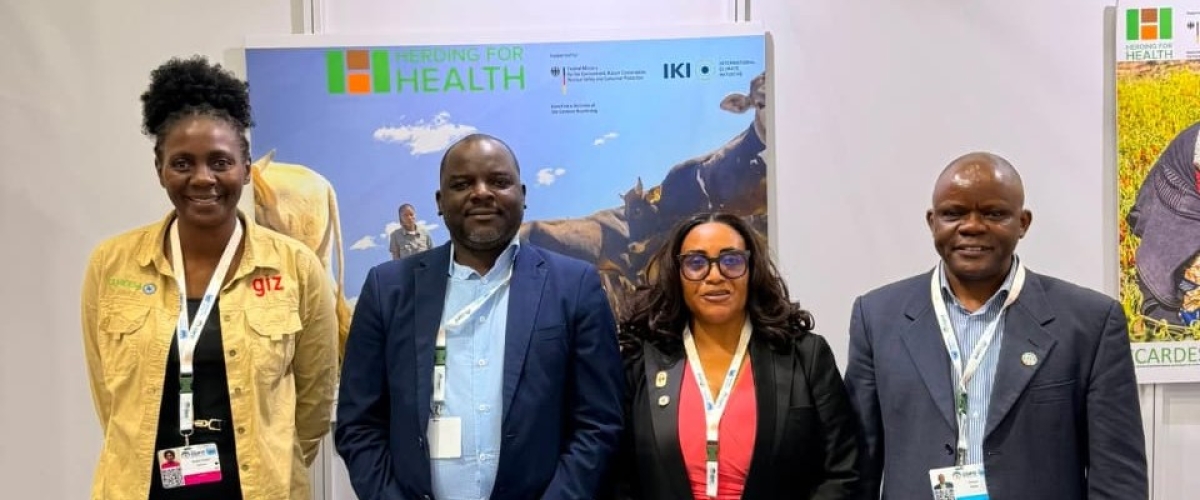
ULAANBAATAR, Mongolia — The Southern African Development Community used UNCCD COP17 to present regional priorities to accelerate the restoration of degraded drylands and build more resilient landscapes across Southern Africa.
Through contributions by Ms Sibongile Mavimbela, Senior Program Officer for Environment and Climate Change at the SADC Secretariat, and Hon. Wynter Boipuso Mmolotsi, Botswana’s Minister of Tourism, SADC highlighted the importance of regional cooperation, country-owned data, innovative financing and coordinated investment in land, water, energy and food systems.
SADC presents Great Green Wall investment priorities
During the side event “Mobilizing Investments to Accelerate the Implementation of the Great Green Wall Initiative: The Role of the African Development Bank,” Ms Mavimbela presented SADC’s investment priorities for implementing the Great Green Wall Initiative in Southern Africa. She highlighted the need for greater investment in water security, renewable energy, ecosystem restoration, climate-resilient infrastructure, resilient food systems and green economic development.
Her presentation demonstrated that the Great Green Wall should not be understood simply as a tree-planting initiative. For Southern Africa, it represents an integrated development framework that can restore degraded landscapes, strengthen agricultural production, improve water and energy security, create employment and build the resilience of rural communities.
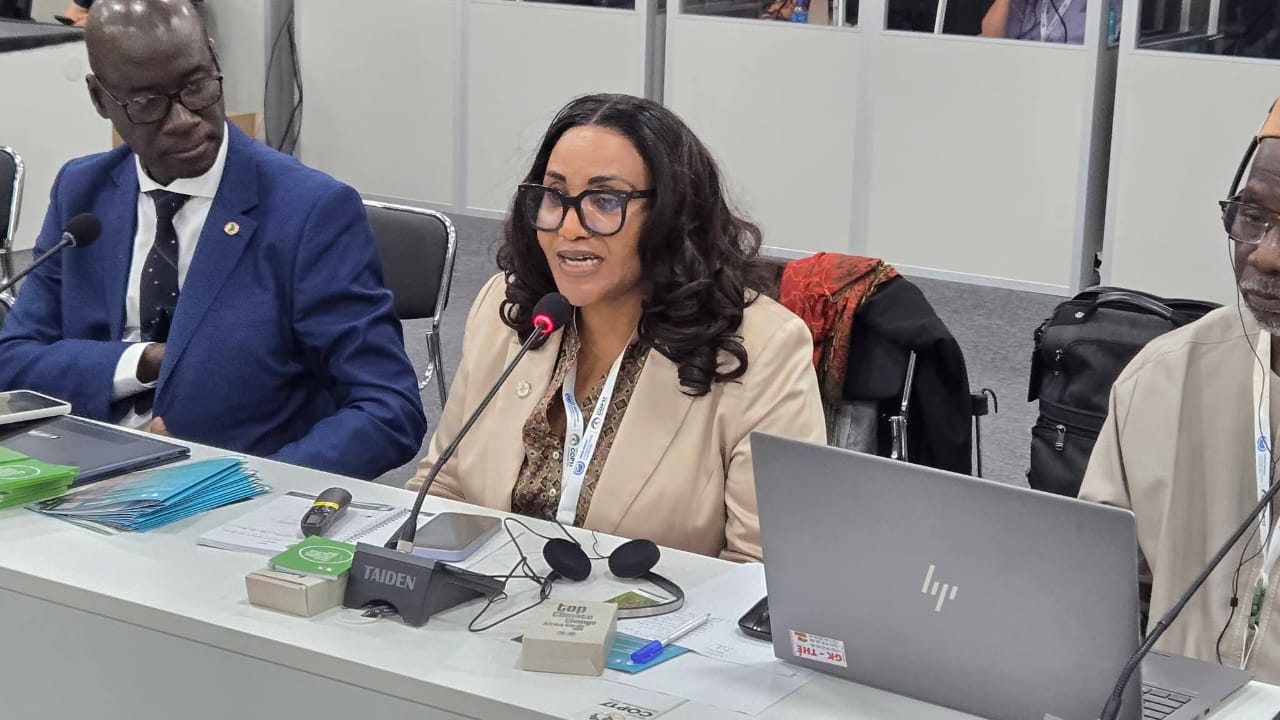
Ms Sibongile Mavimbela
Ms Mavimbela also emphasised that successful implementation would require strong regional partnerships, innovative financing mechanisms and greater institutional capacity. Gender equality and youth participation must be deliberately incorporated into programme design, financing and implementation.
The message was particularly important for Southern Africa, where land degradation, drought and water scarcity cross national borders. Regional cooperation can help countries coordinate investments, exchange knowledge and develop programmes that address shared ecosystems and livelihood challenges.
Botswana calls for country-owned solutions
Southern Africa’s priorities were further reinforced during the side event “Drylands at Scale: Lessons from the GEF-7 Drylands Sustainable Landscapes Impact Programme for COP17.”
Hon. Wynter Boipuso Mmolotsi, Minister of Tourism of Botswana highlighted the importance of ensuring that countries own the data used to design, monitor and evaluate land-restoration programs. Country-owned evidence can help governments make informed decisions, demonstrate results and attract additional investment.
He also called for institutions to break down operational silos. Environment ministries alone cannot deliver sustainable dryland management. It requires coordinated action across agriculture, water, livestock, energy, infrastructure, local government and economic-development institutions.
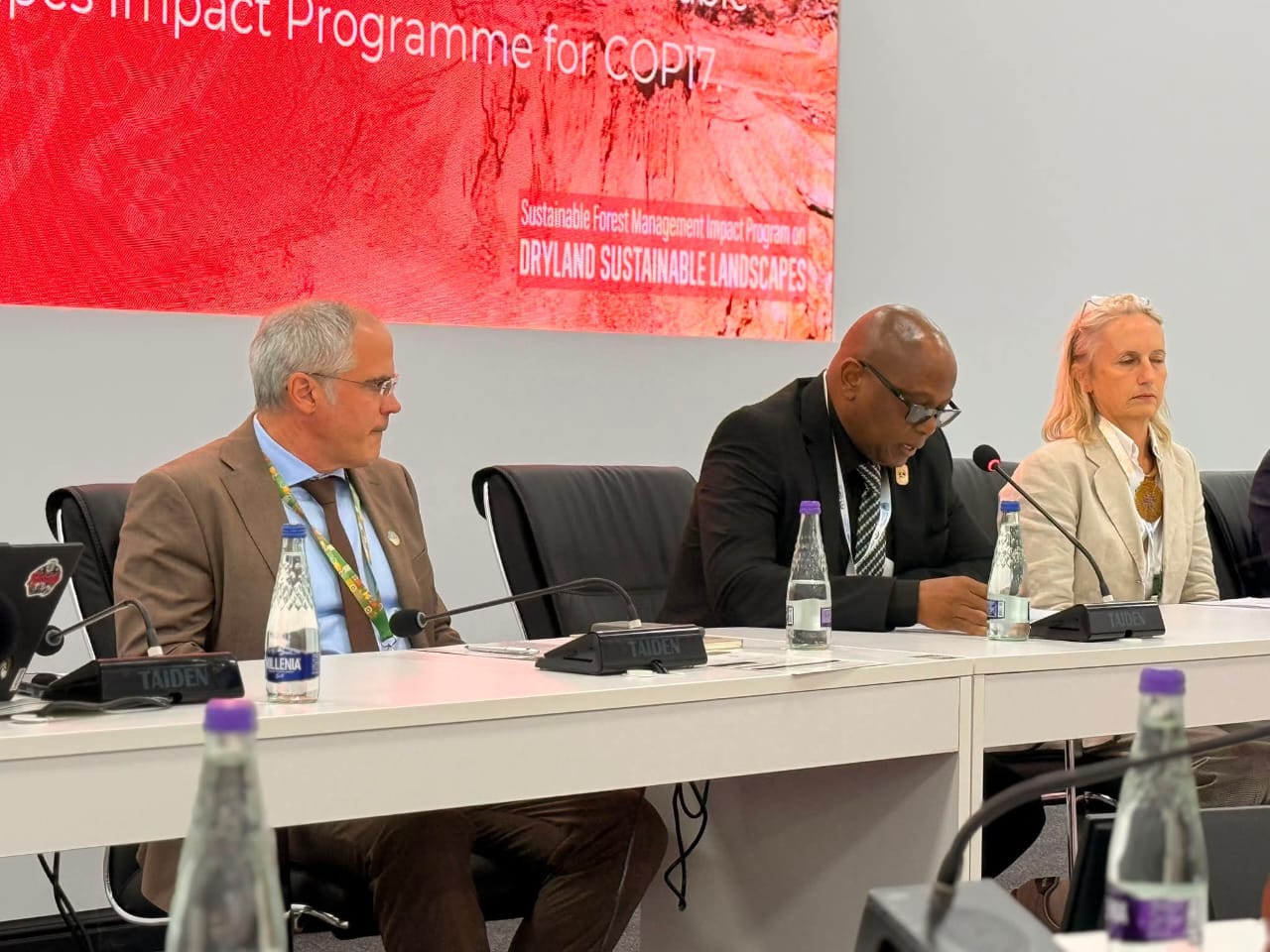
Hon. Wynter Boipuso Mmolotsi(Middle)
The Minister further emphasized the need to mobilize public and private finance and engage the private sector as an active partner in restoration. Private-sector participation can support innovation, sustainable value chains, renewable energy, water infrastructure and market opportunities connected to restored landscapes. Botswana reaffirmed its readiness to work with regional and international partners to advance sustainable rangeland management and build resilient dryland landscapes.
From separate projects to a regional investment agenda
The two presentations delivered a complementary message. The Great Green Wall session identified the sectors requiring investment, while the Drylands at Scale event highlighted the institutional arrangements and evidence needed to make those investments effective.
Together, they showed that Southern Africa requires more than isolated restoration projects. The region needs coordinated programs that connect land restoration with food production, water security, renewable energy, resilient infrastructure, employment and green economic development.
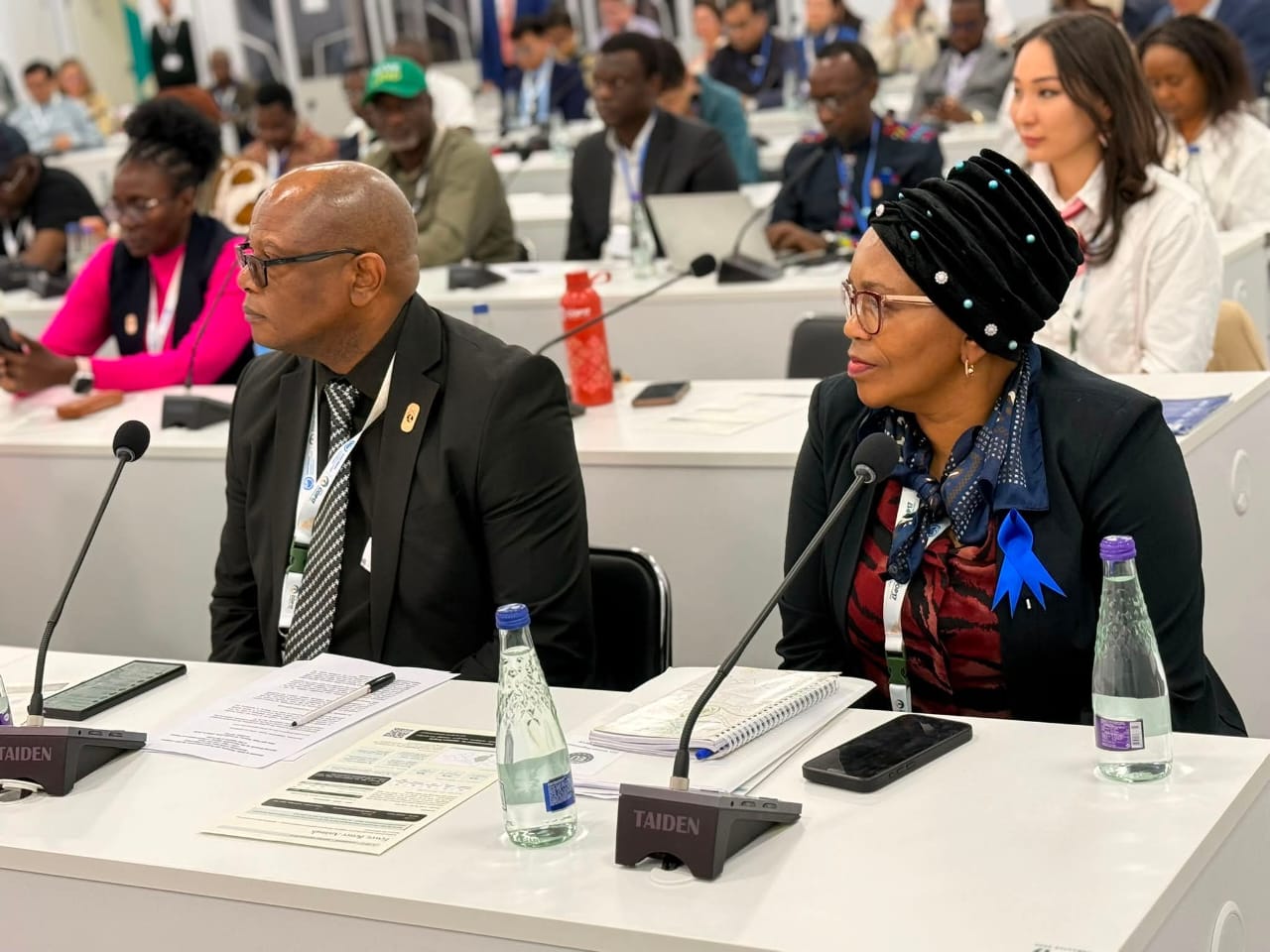
The discussions also demonstrated the importance of platforms such as the IKI Growing Greener Program, which generates practical experience from communities and landscapes across Southern Africa. Evidence from such programs can help SADC and its Member States demonstrate what works, strengthen regional learning and develop investment-ready interventions.
The IKI Growing Greener Program can contribute by documenting results, supporting country-led monitoring, sharing knowledge across borders and demonstrating how sustainable rangeland management can improve livestock production, biodiversity and rural livelihoods.
SADC’s participation at COP17 reinforced a clear regional position: restoring Southern Africa’s drylands will require countries to own the process, institutions to work together, regional bodies to coordinate action and financial partners to invest at the scale required.
The challenge after COP17 is to translate these priorities into funded programs that deliver measurable benefits for landscapes and the communities that depend on them.
The IKI Growing Greener programme is funded by the German Federal Ministry for the Environment, Climate Action, Nature Conservation and Nuclear Safety through the International Climate Initiative (IKI). Its consortium partners are GIZ, CCARDESA, Peace Parks Foundation and Conservation South Africa.
https://www.ccardesa.org/ccardesa-herding-health-h4h-knowledge-management-project