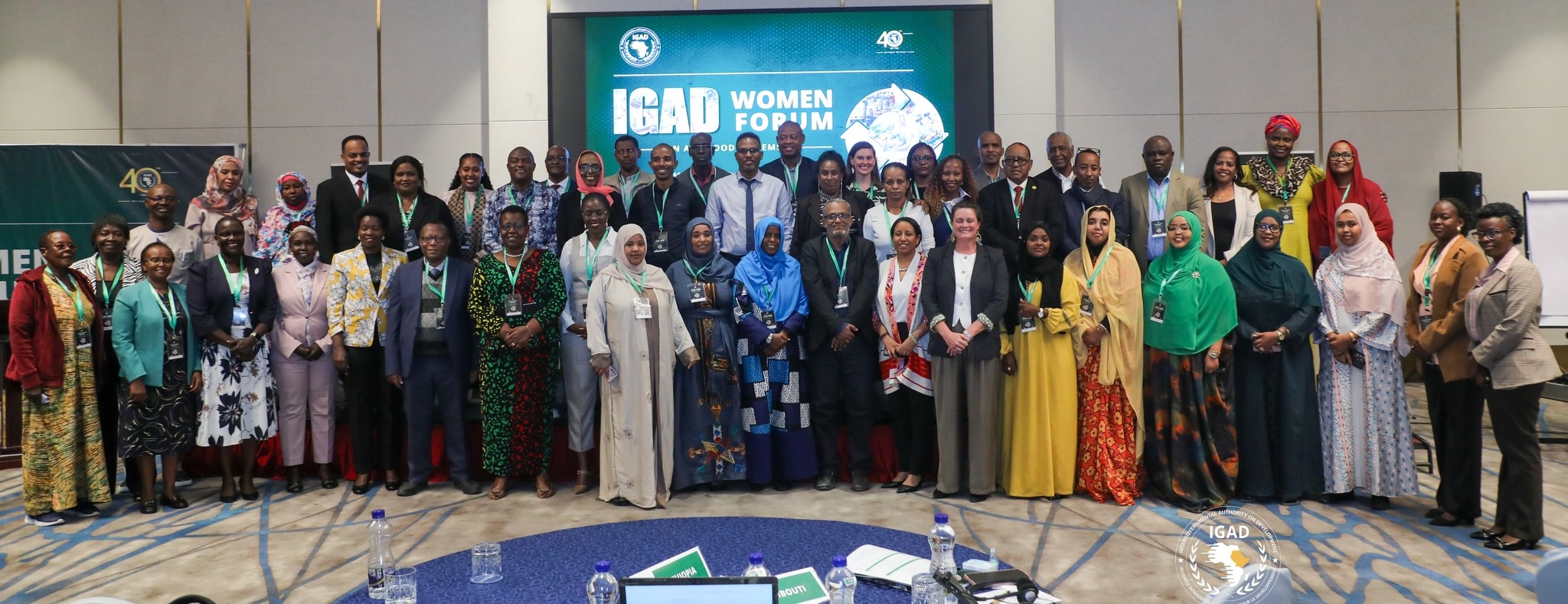
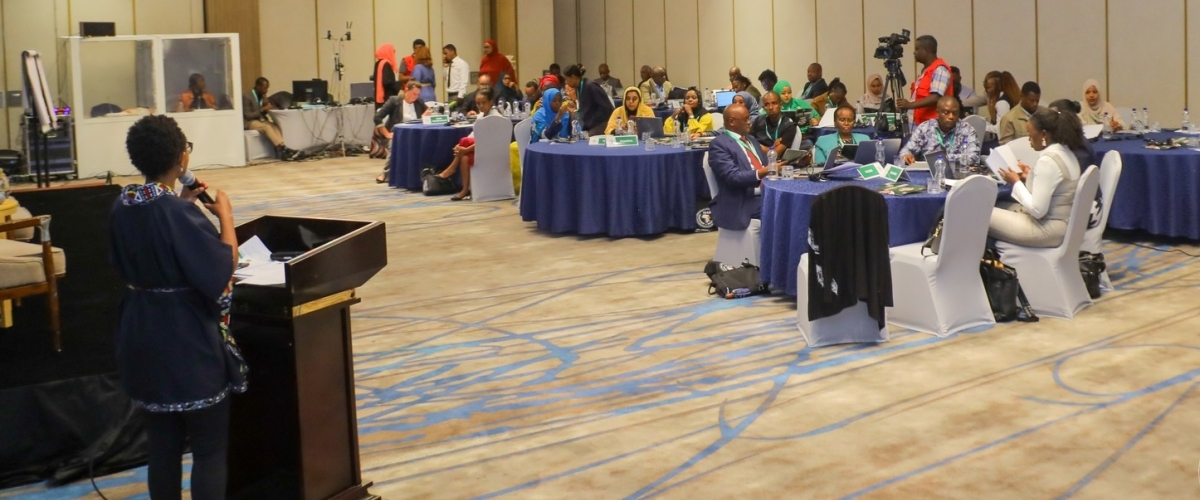
The Centre for Coordination of Agricultural Research and Development for Southern Africa (CCARDESA) participated in the IGAD Women Forum on Agri-Food Systems, a pivotal two-day regional dialogue held from 5 to 6 March 2026 in Addis Ababa, Ethiopia. The forum aimed to strengthen women’s leadership and inclusion in resilient agri-food systems in the IGAD region.
The Intergovernmental Authority on Development (IGAD) organized the forum under the World Bank-supported Food Systems Resilience Programme (FSRP). It convened policymakers, women farmers, private sector leaders, and development partners from across the IGAD region. Discussions focused on advancing gender equality, enhancing women’s access to finance and markets, and promoting their roles in climate-smart agriculture and digital agro-climate advisory services.
CCARDESA’s participation underscored its commitment to cross-regional collaboration on gender-responsive agri-food initiatives. Discussions at the IGAD Women Forum highlighted structural barriers faced by women in agriculture, including limited access to productive resources, finance, and decision-making opportunities. The forum also provided a platform to share experiences from East Africa on initiatives promoting more inclusive and resilient food systems.
IGAD’s Director of Agriculture and Environment, Mr. Daher Elmi, opened the forum and emphasized the central role of women in regional agri-food transformation.
“Women are at the heart of agri-food systems across the IGAD region. Strengthening their access to resources, markets, and decision-making platforms is not only a matter of equality but also essential for building resilient food systems and securing the region’s food future,” he stated.
Patricia van de Velde, Gender Lead for Agriculture and Food at the World Bank Group, reinforced the message on women’s contributions to agricultural production across Africa.
“Across the African continent, women are the backbone of rural economies. They grow the food that feeds our nations. In many African countries, women produce between 40 and 60 percent of agricultural output. And yet, despite this central role, their voices remain underrepresented.”
Sihi Abdallah Mshangama, Continental Coordinator for the African Women Leaders Network (AWLN), highlighted women-led initiatives such as “One Woman, One Tree” and the EWA economic empowerment initiative. She presented practical models that could be replicated across regions to strengthen women’s economic participation.
The forum concluded with participants adopting the Terms of Reference for the IGAD Women Forum, defining its vision, governance structure, membership, and operational framework. Member states designated national focal points, agreed on priority actions including gender-responsive innovation and climate resilience, and outlined a roadmap for implementation over the coming year. These outcomes establish the forum as a sustained platform for dialogue, collaboration, and action.
CCARDESA’s participation also strengthens collaboration between Eastern and Southern African agricultural networks, paving the way for shared strategies to empower women as key drivers of food security, climate resilience, and sustainable agri-food systems.